


Views: 0 Author: Site Editor Publish Time: 2025-11-27 Origin: Site


Injecting insulin with a pen is a common method for people with diabetes, offering a more convenient and accurate way to manage blood sugar levels. While many people wonder whether using an insulin injection pen is painful, the experience can vary from person to person. Insulin pens are generally designed to minimize discomfort, but factors such as needle size, injection technique, and personal sensitivity can influence how painful the injection feels. This article will explore the factors that can affect the pain level of insulin injections, tips to reduce discomfort, and common misconceptions about insulin pen injections.
The size of the needle plays a major role in the pain experienced during an insulin injection. Shorter and thinner needles, typically 4mm to 6mm, are designed to reach the subcutaneous fat with less discomfort. Thinner needles (higher gauge numbers like 31G or 32G) cause less pain compared to thicker ones.
The area of the body where you inject can also affect pain levels. The abdomen generally offers less pain because of thicker fat, while areas like the arms or buttocks may be more sensitive. Site rotation helps prevent irritation, lipohypertrophy, and scarring, which can increase discomfort over time.
Proper needle insertion technique is key to reducing pain. A 90-degree angle is typically the best for most people, though a 45-degree angle may be needed for those with less fat. Injecting slowly and relaxing the skin before injection also reduces discomfort.
Cold insulin can cause more discomfort, so it’s recommended to bring insulin to room temperature before injecting. This makes the injection feel less jarring. Always avoid injecting insulin that has been frozen, as it can lose its effectiveness.
Everyone’s pain tolerance is different. Some may feel minimal discomfort, while others may experience more pain. Anxiety can heighten the sensation of pain, so relaxing and practicing deep breathing can help minimize discomfort.
Opting for a smaller, thinner needle can significantly reduce injection pain. Modern insulin pens typically offer needles that are shorter (4mm to 6mm) and thinner (higher gauge), which are gentler on the skin and cause less discomfort. Thinner needles, such as 31G or 32G, make injections less painful by causing less tissue damage.
Rotating your injection sites is key to minimizing pain. Repeatedly injecting into the same area can cause lipohypertrophy (fat build-up), which affects insulin absorption and increases discomfort. By switching between areas like the abdomen, thighs, and upper arms, you ensure that your skin remains healthy and you get better insulin absorption.
Tensing your skin when injecting can make the process more painful. It causes the skin and muscles to resist the needle, leading to greater discomfort. To minimize pain, relax the injection area before inserting the needle. A relaxed muscle allows the needle to pass through more easily, reducing the sensation of pain.
Injecting slowly and steadily can significantly reduce discomfort. Rushing the injection can cause tissue trauma, making the process more painful. By pushing the insulin in at a gentle pace, you give your body time to absorb it without sudden pressure, leading to a smoother and less painful experience.
Injecting cold insulin can increase pain during injection. To minimize discomfort, allow the insulin to reach room temperature before injecting. Simply remove the insulin pen from the fridge about 30 minutes before use. This makes the injection feel more comfortable and natural, as the temperature difference between your skin and the insulin will be less noticeable.
By following these tips—choosing the right needle, rotating sites, relaxing the skin, injecting slowly, and using room-temperature insulin—you can make your insulin injections more comfortable and less painful.
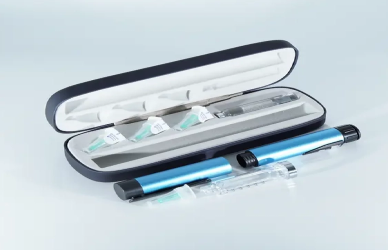
Insulin pumps are an alternative to insulin pens that offer continuous insulin delivery. These devices are worn on the body and deliver a steady, basal dose of insulin throughout the day, with the option for bolus doses before meals.
Pain Comparison: Unlike insulin pens, which require multiple injections, insulin pumps eliminate the need for daily shots. However, the process of inserting the infusion set may cause some discomfort, but it is generally less painful than regular injections.
Convenience: Insulin pumps are highly convenient for people who need frequent insulin adjustments, as they can deliver insulin automatically and provide real-time adjustments based on blood glucose readings. However, they require regular maintenance and attention to ensure proper function.
Needle-free injectors are another alternative for insulin delivery, using high-pressure air to inject insulin through the skin without the use of a needle.
Pain Comparison: These devices typically cause less pain than traditional insulin pens because they don’t involve the insertion of a needle. The sensation is often described as a quick burst or a mild pressure.
Convenience: Needle-free injectors can be very convenient, especially for people who are afraid of needles. However, they tend to be bulkier than insulin pens and may not be as widely available or affordable.
The development of oral insulin is a promising future alternative to injections. Oral insulin would allow patients to take insulin in pill form, just like other medications, eliminating the need for injections altogether.
Potential to Eliminate Injections: Oral insulin could revolutionize diabetes management, providing a more convenient and less invasive way to control blood sugar. However, the technology is still in development and faces challenges in ensuring that the insulin remains effective after being digested and absorbed in the body.
Current Status: Oral insulin is not yet widely available, but research is ongoing to make it a viable option in the future.
These alternatives to insulin injection pens each come with their own set of benefits and challenges. While insulin pumps and needle-free injectors provide a less invasive method of insulin delivery, oral insulin may ultimately offer the most convenience if it becomes a viable option. As the search for more convenient and less painful alternatives continues, insulin pens remain a widely used and effective method for managing diabetes.
Answer: Yes, the type of insulin can influence how painful the injection feels. Some insulins, especially rapid-acting varieties, can be more acidic and may cause more irritation at the injection site, leading to discomfort. Long-acting insulins are typically less irritating, but individual reactions may vary. It's also important to note that insulin temperature can affect pain—cold insulin can cause more discomfort, so it's best to allow insulin to reach room temperature before injecting.
Answer: The correct injection angle depends on your body type. For most individuals, a 90-degree angle is ideal, ensuring the needle reaches the subcutaneous tissue. For thinner individuals with less subcutaneous fat, a 45-degree angle may be necessary. You can pinch the skin slightly to help guide the needle in the right direction, and you should aim for a smooth, quick insertion to minimize discomfort.
Answer: Using an insulin pen every day should not cause long-term damage if proper technique is followed. However, repeated injections in the same spot can cause lipohypertrophy (fat buildup) or scarring, which may affect insulin absorption and cause pain. To prevent this, it’s essential to rotate injection sites regularly and follow good injection practices.
Answer: If the injection site becomes bruised or swollen, it’s usually a sign of irritation or poor needle insertion. Apply gentle pressure to the area with a clean cloth to reduce swelling, and avoid injecting into the same spot until it heals. If bruising or swelling persists, consult your healthcare provider to ensure proper injection techniques are being used.
Answer: Yes, there are several ways to reduce pain before injecting insulin:
Allow the insulin to warm to room temperature: Cold insulin can cause more discomfort.
Relax the skin: Tension in the skin increases pain, so try to relax the area before injecting.
Use a smaller, thinner needle: Opt for a finer needle to minimize discomfort.
Inject slowly: A steady, slow injection can reduce discomfort compared to a quick one.
Rotate injection sites: Avoid injecting in the same place repeatedly to prevent irritation and scarring.
To summarize, the pain experienced during insulin injections can be influenced by several factors, including needle size, injection technique, injection site, and insulin temperature. Choosing a smaller, thinner needle, ensuring that you inject at the correct angle, and allowing insulin to reach room temperature can all significantly reduce discomfort. Additionally, rotating your injection sites regularly helps prevent tissue irritation and ensures more effective insulin absorption. It’s important to avoid using the same site repeatedly, as this can lead to lipohypertrophy or scarring, making injections more painful over time. If you continue to experience discomfort, it’s essential to consult with your healthcare provider for personalized advice. They can offer tailored recommendations or explore alternative options to make your insulin therapy more comfortable and efficient. Proper technique and ongoing communication with your doctor can help you manage your diabetes more effectively while minimizing the pain and hassle of daily injections.


