


Views: 0 Author: Site Editor Publish Time: 2025-10-25 Origin: Site


Do you need a prescription for injection needles? This question is crucial for those needing them for medical or other uses. Understanding injection needles and their specific uses is vital. In this post, you'll learn about different needle types and why prescription requirements vary. We'll explore how these regulations impact access and public health.
Injection needles come in various types, each designed for specific uses. They differ mainly in length, gauge (thickness), and tip design. These differences affect how comfortable and effective an injection feels.
Standard Hypodermic Needles: Commonly used for injections into muscles, veins, or under the skin. They come in different lengths, usually ranging from 0.5 to 2 inches, and gauges from 18 (thicker) to 30 (thinner).
Insulin Needles: Shorter and thinner, designed for subcutaneous insulin injections. Lengths typically range from 4 to 12 millimeters, with gauges between 29 and 32.
Pen Needles: Made for insulin pens, these needles are very thin and short, often 4 to 8 mm long. They screw onto insulin pens for easy use.
Safety Needles: Feature protective shields or retractable tips to prevent accidental needle sticks.
Specialty Needles: Used for specific medical procedures, such as spinal taps or biopsies.
Medical Treatments: Delivering vaccines, insulin, antibiotics, or other medications.
Diabetes Management: Insulin injections require small, fine needles to minimize pain.
Veterinary Care: Administering medications or vaccines to animals.
Hobby and Research: Some enthusiasts use needles for precise applications like model building or scientific experiments.
Each needle type suits different injection sites and medical needs. For example, insulin needles are designed to inject medicine just under the skin, while longer needles are needed for muscle injections.
Understanding needle types helps users choose the right product for safety and comfort. It also informs healthcare providers and pharmacies about proper recommendations.
Tip: When selecting injection needles, consider the injection site and medication type to ensure optimal comfort and effectiveness for patients.
Whether you need a prescription for injection needles depends on several factors, including where you live and the type of needle you want to buy. Some places require a prescription to ensure needles are used safely and appropriately. Others allow over-the-counter sales to improve access, especially for people with medical needs.
Prescriptions help regulate the sale of injection needles to prevent misuse or unsafe practices. Medical professionals can guide patients on the correct needle type and usage, reducing risks like infections or injury. For example, insulin needles for diabetes often require a prescription to ensure proper dosing and technique.
In some cases, restrictions aim to reduce needle sharing, which can spread diseases like HIV and hepatitis C. By controlling needle access, authorities try to balance public health safety with individual needs.
Prescription rules vary widely by country, state, or even city. In the U.S., some states allow pharmacies to sell needles without prescriptions, while others do not. For instance:
States Allowing Nonprescription Sales: Many states permit adults to buy needles over the counter, often with age restrictions (usually 18+). These policies aim to reduce barriers for people who need sterile needles for medical reasons or harm reduction.
States Requiring Prescriptions: In some areas, pharmacies must have a doctor’s prescription before selling needles. This can create access challenges, especially for people managing chronic conditions or those involved in harm reduction programs.
Local Pharmacy Policies: Even where laws allow nonprescription sales, some pharmacies may still require prescriptions due to store policies or concerns about liability.
These variations mean it’s important to check local regulations or ask your pharmacy about their needle sale policies.
In Oregon, research shows over 40% of pharmacies require prescriptions despite laws allowing nonprescription sales. This limits access and can increase disease transmission risks.
California law permits pharmacies to sell syringes without prescriptions and requires them to provide safe disposal options and educational materials.
Insulin pen needles often do not require prescriptions, but insurance coverage might depend on having one.
Understanding these differences helps users navigate where and how to obtain injection needles safely and legally.
In many places, adults can buy injection needles and syringes without a prescription. This over-the-counter (OTC) access helps people who need sterile needles for medical reasons or harm reduction. However, rules vary a lot depending on where you live.
Some states allow pharmacies to sell syringes to adults 18 and older without a prescription. These laws aim to improve access to sterile needles, reducing the spread of infections like HIV and hepatitis C. For example:
California permits unlimited syringe sales without prescriptions. Pharmacies must keep syringes behind the counter and offer safe disposal options like sharps containers or mail-back programs. They also must provide information on substance use treatment and safe needle disposal.
Oregon allows OTC syringe sales by law, but many pharmacies still require prescriptions. Studies show about 43% of pharmacies in Oregon won’t sell syringes without one, especially in urban areas. This limits access and may increase disease transmission risks.
Other states have similar laws but may vary in restrictions or enforcement.
Pharmacies play a key role in making sterile needles available. Licensed pharmacists can sell syringes without prescriptions in many areas. They also provide counseling on safe use and disposal. Some pharmacies participate in harm reduction programs, helping people who inject drugs stay safe.
However, pharmacies can set their own policies. Some may refuse OTC syringe sales due to liability concerns or store rules, even where laws allow it. This inconsistency creates barriers for people needing sterile injection equipment.
Pharmacists also offer education materials about safe disposal and resources for addiction treatment, HIV, and hepatitis testing. These efforts support public health while balancing safety concerns.
OTC syringe sales improve access to sterile needles.
Laws differ by state and sometimes local jurisdiction.
Pharmacies are important access points but policies vary.
Safe disposal and education are part of responsible syringe sales.
Access to sterile syringes without prescriptions is crucial for medical needs and harm reduction. Understanding local laws and pharmacy policies helps ensure safe and legal needle use.
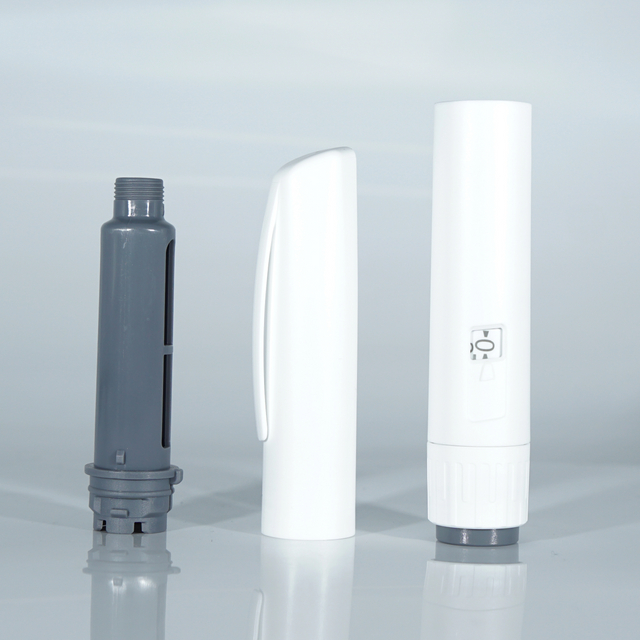
Injection needles play a crucial role in healthcare, but how easily people access them can impact public health significantly. Two major concerns arise: disease transmission and access barriers for those with medical needs.
When people share needles, they risk spreading infections like HIV, hepatitis C, and hepatitis B. Using sterile needles lowers this risk dramatically. If sterile needles are hard to get, people might reuse or share them, increasing disease spread.
For example, studies show that in some places, pharmacies require prescriptions before selling syringes, even when laws allow over-the-counter sales. This creates a barrier to sterile needle access. Research from Oregon found over 40% of pharmacies still ask for prescriptions, especially in cities. This restriction can worsen the spread of bloodborne diseases, especially among people who inject drugs.
The opioid crisis has made this issue more urgent. As more people use injectable drugs, access to clean needles becomes a key harm reduction strategy. Providing sterile needles helps reduce infections and supports recovery efforts.
People with chronic conditions like diabetes rely on injection needles for daily medication, such as insulin. When pharmacies require prescriptions unnecessarily, it can delay or complicate access to these essential supplies.
This also affects pet owners needing to give animals injections or hobbyists using needles for precise tasks. Limited access can cause inconvenience and health risks.
Pharmacies sometimes refuse to sell needles without prescriptions due to liability concerns or store policies, even if local laws allow it. This inconsistency creates confusion and barriers.
While controlling needle sales aims to prevent misuse, overly strict access limits can harm public health. Ensuring easy access to sterile needles benefits individuals and communities by lowering infection rates and supporting medical needs.
Public health programs often encourage pharmacies to sell syringes without prescriptions and provide safe disposal options to reduce risks.
Harm reduction focuses on minimizing health risks linked to injection drug use and other activities involving needles. Two key aspects here are the use of sterile syringes and the role pharmacies play in providing these safely.
Using sterile syringes is essential to prevent infections like HIV, hepatitis B, and hepatitis C. When people reuse or share needles, they risk spreading these diseases. Sterile syringes help stop this chain by ensuring each injection uses a clean, safe needle.
For people who inject drugs, access to sterile needles is a lifesaver. It reduces infections and helps them stay healthier while they seek treatment or recovery. Sterile needles also protect those with medical conditions requiring injections, like diabetes, by preventing infections from contaminated equipment.
Pharmacies are often the most accessible places for people to get sterile needles. Many states allow pharmacies to sell syringes without prescriptions, which makes it easier for individuals to obtain clean needles. Pharmacists can also provide advice on safe needle use and disposal.
Some pharmacies participate in harm reduction programs, distributing sterile syringes and offering educational materials about disease prevention and treatment options. These programs help reduce stigma and encourage safer practices.
However, not all pharmacies sell syringes without prescriptions, even where laws allow it. This inconsistency can create barriers for people trying to access sterile needles, increasing health risks. Pharmacies sometimes worry about liability or store policies, which may limit nonprescription sales.
Pharmacists also play a role in promoting safe disposal of used needles. Providing sharps containers or mail-back programs helps prevent needle litter and accidental injuries. Education on proper disposal supports community safety and environmental health.
When it comes to injection needles, laws governing their sale and possession vary greatly. These laws aim to balance public health safety, individual needs, and environmental concerns.
In many places, pharmacies can sell syringes only with a prescription, while others allow over-the-counter sales for adults. This variation depends on local, state, or national regulations.
Prescription Requirements: Some states require a doctor’s prescription to buy needles. This helps ensure needles are used properly but can limit access for those who need them urgently.
Nonprescription Sales: Other states permit adults (usually 18+) to buy syringes without prescriptions. This approach improves access to sterile needles, reducing the risk of infections from needle sharing.
Possession Laws: Laws also regulate how many syringes a person can carry and whether possession without a prescription is legal. Many places allow possession of syringes for personal use, especially in harm reduction contexts.
Pharmacies often set their own policies, which can be stricter than the law. For example, some may refuse to sell syringes without prescriptions due to liability concerns.
Proper disposal of used needles is crucial to prevent injury and environmental harm. Needles are considered medical waste and must be handled carefully.
Sharps Containers: Used needles should be placed in rigid, puncture-resistant containers designed for sharps. These containers prevent accidental needle sticks and leaks.
Disposal Options: Pharmacies may provide sharps containers or sell mail-back disposal kits. Some offer on-site disposal services where customers can drop off used needles safely.
Legal Requirements: Laws often prohibit throwing loose needles into regular trash or recycling bins. Improper disposal risks injury to waste workers and the public.
Community Programs: Many areas have designated collection sites or events for safe sharps disposal. These programs help keep neighborhoods safe and clean.
Pharmacists play a key role in educating customers about safe disposal methods. They provide information on how to store used needles and where to dispose of them properly.
Understanding injection needle types and their uses is crucial for safety and effectiveness. Prescription requirements for needles vary by location, impacting access for medical needs and harm reduction. In some areas, nonprescription sales improve access to sterile needles, reducing disease transmission risks. It's essential to check local laws and pharmacy policies. At Sunrise, we ensure compliance with regulations and offer high-quality products that enhance user comfort and safety, supporting both healthcare providers and individuals in their needle selection.
A: Prescription requirements for injection needles vary by location. Some places require a prescription, while others allow over-the-counter sales. Check local laws and pharmacy policies.
A: Injection needles come in various types, including standard hypodermic, insulin, pen, safety, and specialty needles, each designed for specific medical uses.
A: The cost of injection needles varies based on type, brand, and purchase location. Insulin needles tend to be cheaper than specialty needles.
A: Prescriptions help regulate needle sales, ensuring safe usage and reducing risks like infections and disease transmission from shared needles.


