


Views: 0 Author: Site Editor Publish Time: 2025-10-25 Origin: Site


Subcutaneous injections are a common method for delivering medication directly into the fatty tissue beneath the skin. But how deep should the needle go? The length of the injection needle is crucial for ensuring the medication reaches the right layer without causing discomfort or hitting muscle. In this post, you'll learn about optimal needle lengths, choosing the right injection sites, and techniques for safe and effective administration.
Subcutaneous injections require short, thin needles designed to reach the fatty tissue beneath the skin without hitting muscle. Common needle lengths range from 4 to 8 millimeters (0.16 to 0.31 inches). The choice depends on the patient's body type and the injection site. For adults, needles around 6 to 8 millimeters are typical, while shorter needles may be preferred for children or lean individuals.
Needles come in various gauges, which refer to thickness. A higher gauge means a thinner needle. For subcutaneous injections, needles usually range between 25 and 30 gauge. Thinner needles cause less pain and tissue damage but may require more care when injecting thicker medications.
Selecting the right needle length depends on the patient's body fat and the injection site. For example:
Adults with average body fat: 6 to 8 mm needles work well, allowing full insertion into the subcutaneous layer.
Children or lean adults: 4 to 6 mm needles may be sufficient to avoid reaching muscle.
Obese patients: Longer needles might be necessary to penetrate the skin and reach the fatty tissue.
The goal is to insert the needle fully into the fatty layer without going too deep into muscle or too shallow into the skin. Pinching the skin before injection helps lift the fatty tissue, making it easier to inject at the right depth.
Needle gauge affects comfort and medication flow. Thinner needles (higher gauge) cause less pain and tissue trauma but can slow the injection of viscous medications. Conversely, thicker needles (lower gauge) allow faster medication delivery but may increase discomfort.
Healthcare providers balance these factors based on the medication's viscosity and patient sensitivity. For example, insulin injections often use 28 to 31 gauge needles for comfort, while some biologic drugs may require slightly thicker needles. Always match needle length and gauge to the patient's body type and medication viscosity to ensure effective, comfortable subcutaneous injections.
Choosing the right spot for a subcutaneous injection is key. The medication needs to go into the fatty layer just beneath the skin, avoiding muscle, bone, or blood vessels. Here are the most common sites:
Abdomen: Around the belly button, but at least 1.5 to 2 inches away from it. This area has plenty of fatty tissue and is easy to access.
Upper Arm: The back or side of the upper arm, between 3 inches above the elbow and 3 inches below the shoulder.
Upper Thigh: The front or outer side of the upper thigh, halfway between the knee and hip.
For self-injections, the abdomen and upper thigh are usually the easiest and safest choices.
Several factors affect where you should inject:
Fatty Tissue Thickness: The site must have enough fat to avoid hitting muscle. For lean individuals, the abdomen is often best.
Ease of Access: Choose a spot you can reach comfortably, especially important for self-injection.
Pain Sensitivity: Some areas may be less painful. Research suggests the abdomen often causes less discomfort.
Medication Absorption: Some medicines absorb better in certain areas. Follow your healthcare provider's advice.
Skin Condition: Avoid areas with bruises, scars, redness, or irritation.
Rotation Needs: To prevent tissue damage, rotate injection sites. For example, alternate between left and right thighs or abdomen quadrants.
Avoid injecting in places that could cause problems:
Skin Folds or Tight Clothing Areas: These can affect medication flow or cause irritation.
Damaged Skin: Bruised, red, swollen, hard, broken, or infected skin should never be injected.
Near Bones or Joints: These areas have little fat and higher risk of pain or injury.
Tumors or Irradiated Skin: Avoid areas with tumors or recent radiation therapy.
Navel Area: Stay clear of the 1.5 to 2-inch area around the belly button.
By carefully selecting the injection site, you reduce the risk of complications and improve medication effectiveness.
Tip: Always rotate injection sites within the recommended areas to prevent tissue damage and improve medication absorption.
Before giving a subcutaneous injection, gather all supplies first. This helps keep the process smooth and safe. You'll need:
The medication in a vial or prefilled syringe
A short needle and syringe (usually 4 to 8 mm long, 25 to 30 gauge)
Alcohol swabs for cleaning the injection site
Gauze or cotton balls
A bandage, if needed
A puncture-resistant sharps container to safely dispose of used needles
Gloves, especially if handling hazardous medications
Having everything ready prevents contamination and helps you focus on the injection itself.
Proper site preparation reduces infection risk and makes the injection more comfortable. Follow these steps:
Wash your hands thoroughly with soap and warm water for at least 20 seconds. Dry with a clean towel.
Inspect the injection site for signs of irritation, bruising, redness, or scars. Avoid these areas.
Select a suitable site with enough fatty tissue, such as the abdomen (at least 1.5 to 2 inches from the navel), upper thigh, or back of the upper arm.
Clean the skin using an alcohol swab. Start at the center and move outward in a circular motion. Let the skin air dry completely before injecting.
Pinch the skin gently between your thumb and forefinger to lift fatty tissue away from muscle. This helps ensure the medication goes into subcutaneous tissue.
Avoid touching the cleaned area again before injection to keep it sterile.
Maintaining sterility is key to preventing infection and complications. Keep these safety tips in mind:
Always use a new needle and syringe for each injection. Never reuse needles.
Avoid touching the needle or letting it touch any surface before injection.
Do not recap the needle after injection; immediately dispose of it in the sharps container.
Use personal protective equipment (PPE) like gloves if required, especially when dealing with hazardous drugs.
Follow medication storage instructions carefully to maintain potency and safety. For example, some medications need refrigeration but must be brought to room temperature before injection.
Rotate injection sites regularly to avoid tissue damage and improve absorption.
By preparing carefully and following these steps, you help ensure a safe, effective subcutaneous injection every time. Always prepare your injection site by cleaning it thoroughly and letting it air dry to minimize infection risk and improve patient comfort.
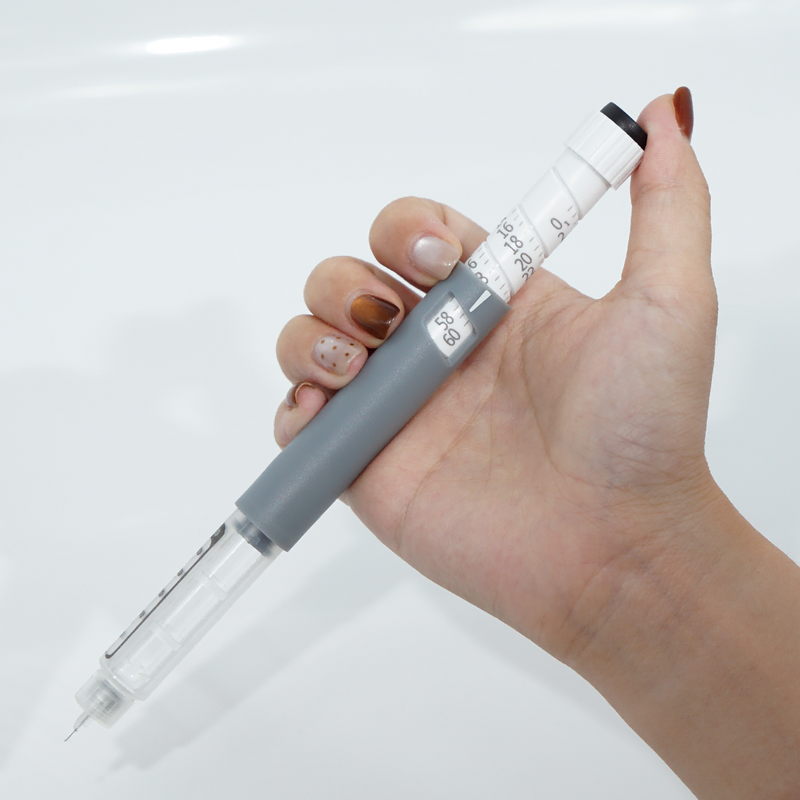
Administering a subcutaneous injection correctly ensures the medication reaches the fatty tissue beneath the skin. First, pinch a fold of skin between your thumb and forefinger to lift the fatty layer away from the muscle. This makes it easier to insert the needle into the right depth.
Hold the syringe like a pen with your dominant hand. Insert the needle quickly and smoothly into the pinched skin. Use the full length of the needle to ensure the medication goes into the subcutaneous tissue, not just the skin or muscle. Avoid pushing the needle at an angle unless there’s very little fat; in that case, a 45-degree angle might be necessary.
The standard angle for subcutaneous injections is 90 degrees when there is enough fatty tissue. For thinner individuals or injection sites with less fat, a 45-degree angle reduces the risk of injecting into muscle.
The needle length is usually between 4 and 8 millimeters. Insert the needle fully so the hub touches the skin. This depth ensures the medication deposits in the subcutaneous layer. Pinching the skin before injection helps lift the fatty tissue and prevents injecting too deep.
For example, in adults with average body fat, insert the needle straight in at 90 degrees. For lean adults or children, use a 45-degree angle and a shorter needle to avoid muscle.
After injecting the medication, release the pinched skin and slowly press the plunger to deliver the entire dose. Withdraw the needle quickly and apply gentle pressure to the injection site with a cotton ball or gauze to minimize bleeding or bruising.
Do not rub the site, as this can cause irritation or bruising. If minor bleeding occurs, a small bandage can be applied.
Dispose of the used needle and syringe immediately in a puncture-resistant sharps container. Never recap needles after use to avoid accidental needle sticks.
Wash your hands again after the procedure. Proper disposal and hygiene reduce infection risk and keep the environment safe.
Subcutaneous injections are generally safe, but some side effects can occur at the injection site. The most common include:
Bruising: Small blood vessels can break during needle insertion, causing minor bruising.
Bleeding: Slight bleeding may happen, especially in patients on blood thinners.
Swelling and redness: Mild inflammation at the site can cause the skin to become red and swollen.
Pain or discomfort: Some people feel a brief sting or soreness during and after the injection.
Nodules or lumps: Repeated injections in the same spot may cause small, firm lumps under the skin.
Warmth: The injection site might feel warm due to mild irritation.
Discoloration: Skin color changes can occur but usually fade over time.
These side effects usually resolve on their own within a few days. However, if symptoms worsen or persist, consult a healthcare provider.
While rare, infections can develop after subcutaneous injections. Watch for these signs:
Increasing redness spreading beyond the injection site
Swelling that worsens or becomes hard
Pus or drainage from the site
Severe pain or tenderness
Fever or chills
Red streaks extending from the injection area
If you notice any of these symptoms, seek medical attention promptly. Early treatment prevents complications.
Pain and discomfort can be minimized by following these practical tips:
Choose the right needle: Use a short, thin needle (usually 4 to 8 mm, 25 to 30 gauge) appropriate for your body type.
Rotate injection sites: Avoid injecting in the same spot repeatedly to prevent tissue damage and lumps.
Prepare the site properly: Clean the skin with an alcohol swab and let it air dry completely before injection.
Pinch the skin: Lifting the fatty tissue away from muscle helps ensure correct needle placement.
Inject smoothly: Insert the needle quickly and steadily at the right angle (usually 90 degrees) to reduce pain.
Inject medication slowly: A slow push of the plunger helps reduce tissue irritation.
Apply gentle pressure: After injection, press lightly with gauze to reduce bleeding and bruising.
Use cold packs: Applying ice before injection may numb the area and lessen pain.
Distract yourself: Techniques like deep breathing or counting can help ease anxiety and discomfort.
By taking these steps, you can make subcutaneous injections more comfortable and reduce the risk of complications.
A subcutaneous injection should go just deep enough to reach the fatty tissue beneath your skin but not into the muscle. The needle length usually ranges from 4 to 8 millimeters (0.16 to 0.31 inches). You should insert the needle fully, so the hub touches your skin, ensuring the medication is delivered into the subcutaneous layer. For most adults with average body fat, injecting at a 90-degree angle works well. For leaner individuals or children, a 45-degree angle and shorter needle may be needed to avoid hitting muscle.
Pinching the skin before injection helps lift the fatty tissue and makes it easier to place the needle correctly. Avoid injecting too shallow, or the medicine might stay in the skin, causing irritation. Too deep, and it could reach muscle, changing how the medication absorbs or causing pain.
The best site varies depending on your body type and medication. Common areas include:
Abdomen: At least 1.5 to 2 inches away from the belly button. This site often causes less pain and has plenty of fatty tissue.
Upper Thigh: Front or outer side of the thigh, halfway between the knee and hip.
Upper Arm: Back or side of the upper arm, between 3 inches above the elbow and 3 inches below the shoulder.
The abdomen is often preferred for ease and comfort, especially for self-injections. Rotating injection sites within these areas helps avoid tissue damage and improves medication absorption.
Subcutaneous injections can sometimes cause small bumps, bruises, or redness at the injection site. These marks usually fade within a few days. Repeated injections in the same spot may cause small, firm lumps called nodules under the skin. To reduce this, rotate your injection sites regularly.
Minor bruising happens if small blood vessels break during needle insertion. Applying gentle pressure after the injection can help minimize bruising and bleeding. If you notice persistent or worsening marks, consult your healthcare provider.
Subcutaneous injections must reach the fatty tissue without hitting muscle. Proper needle length, angle, and site selection are crucial. Techniques like pinching the skin and rotating injection sites help reduce discomfort. Consulting healthcare professionals ensures safe and effective administration. Sunrise offers products that enhance the injection experience by prioritizing comfort and efficiency.
A: A subcutaneous injection should be deep enough to reach the fatty tissue beneath the skin, typically using an injection needle 4 to 8 millimeters long. Insert the needle fully so the hub touches the skin, ensuring proper medication delivery.
A: The injection needle angle ensures medication reaches the subcutaneous layer. Use a 90-degree angle for average body fat or a 45-degree angle for leaner individuals to avoid muscle penetration.
A: Use a short, thin injection needle, rotate sites, clean the skin, pinch the area, and inject smoothly at the correct angle to reduce pain and discomfort.


