


Views: 0 Author: Site Editor Publish Time: 2025-12-30 Origin: Site


For those managing diabetes, insulin injections are a daily task. But how often should you replace your insulin syringe for safe and effective delivery? Using syringes properly is key to ensuring accurate doses and preventing infections. In this article, we’ll explore why syringe replacement is crucial, the risks of reusing syringes, and the benefits of alternatives like a reusable injection pen. You’ll learn when to replace your syringe, signs of damage, and how to make insulin delivery safer and more efficient. With the right knowledge, you can better manage your insulin therapy and improve your overall health.
Reusing syringes increases health risks, such as infection and inaccurate insulin delivery. The following table highlights the risks associated with reusing syringes, focusing on infection, needle damage, and contamination.
| Factor | Description | Risks/Effects | Efficiency Impact | Recommendations | Precautions |
|---|---|---|---|---|---|
| Infection Risk | Reusing syringes increases the chances of infection from bacteria. | Can lead to skin infections or systemic infections. | Syringes are designed for single use to minimize infection. | Always use a new syringe to reduce infection risk. | Do not share syringes, and always dispose of them immediately after use. |
| Incorrect Dosage | Reusing syringes can lead to inaccurate insulin doses due to needle wear. | Can result in fluctuating blood glucose levels. | The needle dulls over time, affecting accuracy. | Replace syringes regularly to ensure precise insulin delivery. | Never reuse syringes even if the needle looks intact. |
| Needle Contamination | Needles can become contaminated with insulin or other substances after the first use. | Can affect the sterility of insulin. | Contamination reduces the safety and effectiveness of insulin delivery. | Use syringes only once to maintain insulin purity and avoid contamination. | Store syringes in a clean, safe environment to avoid exposure. |
Tip: To ensure accurate insulin dosing and prevent infection, always use a fresh syringe for each injection.
Repeated use of syringes causes the needle to lose its sharpness, which can lead to more painful injections and increased tissue trauma. Dull needles can cause microtears in the skin and surrounding tissues, leading to scarring and delayed healing. Additionally, as the needle dulls, it can affect the absorption rate of insulin, potentially causing inconsistent blood sugar levels. Studies have shown that sharp needles improve insulin delivery efficiency by reducing tissue damage and enhancing the absorption rate, making it crucial to replace syringes after each use for effective diabetes management.
Every time a syringe is used, it comes into contact with the skin and insulin, which can lead to contamination. Reusing syringes increases the chance of bacterial growth, which can cause infections at the injection site. Always ensure syringes are used only once for hygiene and health safety.
Tip: To avoid infection and ensure accurate insulin doses, always use a fresh syringe for each injection.
Replacing syringes after each use is crucial for safe and effective insulin administration. The table below provides guidelines for the recommended frequency of syringe replacement and factors that can impact syringe lifespan.
| Factor | Description | Recommended Frequency | Technical Specifications | Efficiency Impact | Recommendations | Precautions |
|---|---|---|---|---|---|---|
| Syringe Replacement | Replacing syringes after each use is crucial to prevent health risks. | Replace after each insulin injection. | Syringe design: Single-use, sharp needle. | Dull needles can lead to pain and inefficient insulin absorption. | Always replace syringes after each injection to ensure correct dosage. | Avoid reusing syringes, especially if they show any signs of wear. |
| Needle Lifespan | Needles are designed for one-time use and can become dull after repeated use. | One-time use only per syringe. | Needle size: 31G to 29G depending on insulin type. | Dull needles can lead to pain and inefficient insulin absorption. | Replace the needle with each syringe to maintain effectiveness. | Ensure the needle is always sharp for efficient insulin absorption. |
| Storage Conditions | Store syringes properly to ensure they are ready for single-use. | Keep syringes in a cool, dry place. | Storage temperature: 15-30°C, away from sunlight. | Proper storage extends the lifespan of syringes and ensures sterility. | Store syringes away from direct light and moisture to avoid degradation. | Avoid storing syringes in high-humidity environments. |
Tip: Replace your syringe after each use for the best results and avoid the risks of infection or inaccurate dosing.
The lifespan of a syringe is significantly influenced by the needle's material quality, frequency of use, and how it is stored. Overuse or improper storage can cause the needle to dull, leading to increased friction, pain, and potential tissue damage. High humidity or exposure to extreme temperatures can also degrade the syringe’s plastic components and lead to contamination. Research shows that syringes stored in cool, dry environments maintain their integrity and performance for a longer period. Additionally, using syringes within their recommended shelf life ensures optimal safety and insulin absorption, preventing inefficiency or harm.
Delaying syringe replacement can lead to inaccurate insulin doses and increase the risk of infection. Over time, a used syringe may not only damage tissue but also create an uncomfortable injection experience. Replacing syringes on time minimizes these risks and ensures consistent insulin delivery.
Tip: Replace your syringe after each use for the best results and avoid the risks of infection or inaccurate dosing.
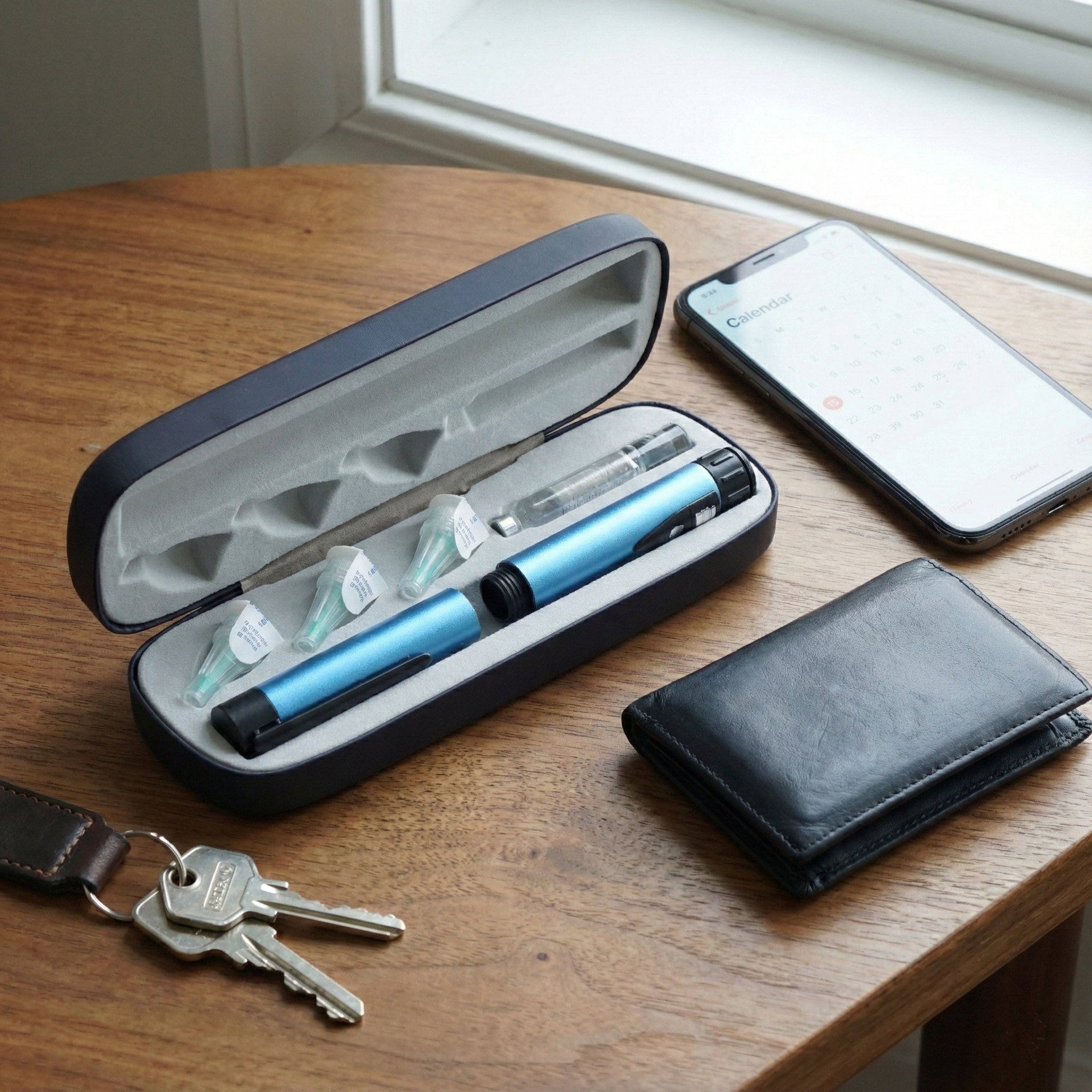
A syringe should be replaced immediately if the needle is bent, dulled, or corroded. If there is any visible damage to the syringe or needle, discard it to ensure safe and effective insulin delivery.
| Needle Condition | Description | Health Risks/Effects | Impact on Insulin Delivery | Recommendations |
|---|---|---|---|---|
| Bent Needle | Needles that are bent during use or storage. | Can cause pain, tissue trauma, and increase the risk of infection. | The insulin delivery is less efficient, potentially leading to inconsistent blood sugar control. | Always replace needles if bent. Avoid dropping or mishandling syringes. |
| Dulled Needle | Needles become dull after repeated use. | Increased pain and skin irritation, potentially causing tissue damage. | Slower insulin absorption and inefficient delivery, affecting blood glucose levels. | Replace the syringe after each use to ensure a sharp needle. |
| Corroded Needle | Needles exposed to moisture or improper storage, causing rust. | Risk of infection, inflammation, and tissue necrosis due to contamination. | Corrosion affects insulin delivery precision and can introduce harmful bacteria. | Store syringes in a dry, cool place to avoid corrosion. |
| Damaged Needle (General) | Any visible damage, including cracks, breaks, or visible wear. | Can cause severe pain, bleeding, and introduce bacteria into the bloodstream. | Damaged needles cause inaccurate insulin dosing, leading to poor blood sugar management. | Inspect needles for any signs of damage before each use, and replace immediately if damaged. |
Tip: Always inspect syringes before use. Any signs of damage (bent, dulled, corroded, or cracked) mean immediate replacement to ensure safe and effective insulin delivery.
Used syringes must be disposed of properly to prevent injuries and contamination. The following table details the recommended methods for safe syringe disposal and the necessary precautions to take when handling used syringes.
| Factor | Description | Recommended Disposal Methods | Safety Considerations | Effectiveness | Recommendations | Precautions |
|---|---|---|---|---|---|---|
| Sharps Disposal | Used syringes are classified as medical waste and need proper disposal. | Use designated sharps containers. | Container capacity: 1L-5L for home use. | Proper disposal reduces the risk of needle-stick injuries and contamination. | Always dispose of syringes in an FDA-approved sharps container. | Do not dispose of syringes in regular trash or recycling bins. |
| Contamination Risk | Disposing syringes improperly can lead to contamination. | Ensure containers are securely closed. | Container design: Puncture-resistant. | Prevents exposure to others and the environment. | Always check that sharps containers are closed and properly labeled. | Never force syringes into disposal containers. |
| Disposal at Healthcare Facilities | Syringes can also be returned to healthcare facilities for safe disposal. | Drop off at local clinics or hospitals. | Some clinics offer free disposal services. | Reduces the environmental impact and ensures safe handling. | If unable to store or dispose of at home, visit a local health facility. | Follow local laws regarding sharps disposal. |
Tip: Always dispose of syringes in a designated sharps container to protect yourself and others from injuries and contamination.
To keep syringes in optimal condition, store them in a cool, dry place. Avoid storing syringes in damp or humid environments, as this could cause rusting and degradation. Ensure that the syringe remains sterile until the moment of use.
Tip: Always store syringes in a clean, safe place to maintain their condition and prevent contamination.
Reusable injection pens provide a convenient and cost-effective alternative to single-use syringes. The following table explores the benefits of reusable injection pens, maintenance requirements, and comparisons with disposable syringes.
| Factor | Description | Benefits | Efficiency Impact | Maintenance Requirements | Recommendations | Precautions |
|---|---|---|---|---|---|---|
| Long-Term Use | Reusable injection pens are designed for multiple uses with replaceable needles. | Cost-effective, reduces waste. | Suitable for patients who require regular insulin injections. | Requires proper cleaning after each use to ensure hygiene. | Replace the pen needle after each injection for optimal insulin delivery. | Clean the pen according to manufacturer guidelines to avoid insulin contamination. |
| Cost-Efficiency | Reusable injection pens save money over time compared to single-use syringes. | Reduces long-term costs. | Overall savings with fewer syringes purchased. | Initial higher cost is balanced by fewer needle purchases over time. | Consider a reusable injection pen if you require multiple injections daily. | Ensure the pen is compatible with your insulin type and dosages. |
| Environmental Impact | Using a reusable pen reduces plastic waste compared to disposable syringes. | More sustainable, eco-friendly. | Eco-friendly choice for regular insulin users. | Using a reusable pen reduces landfill waste. | Choose a reusable pen to reduce environmental impact without sacrificing safety. | Ensure proper needle disposal to maintain the environmental benefits. |
Tip: Reusable injection pens offer long-term cost savings and environmental benefits, but always replace the needle after each injection for safety and effectiveness.
While disposable syringes are often the go-to choice for their convenience and hygiene, reusable injection pens are more cost-effective over time. They can be used multiple times, reducing waste and the overall cost of insulin administration. However, reusable injection pens require careful cleaning and needle replacement.
When choosing between disposable syringes and a reusable injection pen, consider factors such as convenience, cost, and your specific insulin needs. For those who administer insulin regularly, reusable injection pens may offer long-term benefits, while disposable syringes are simpler for occasional use.
Tip: A reusable injection pen can offer cost savings over time, but ensure proper maintenance and needle replacement for safe and efficient insulin delivery.
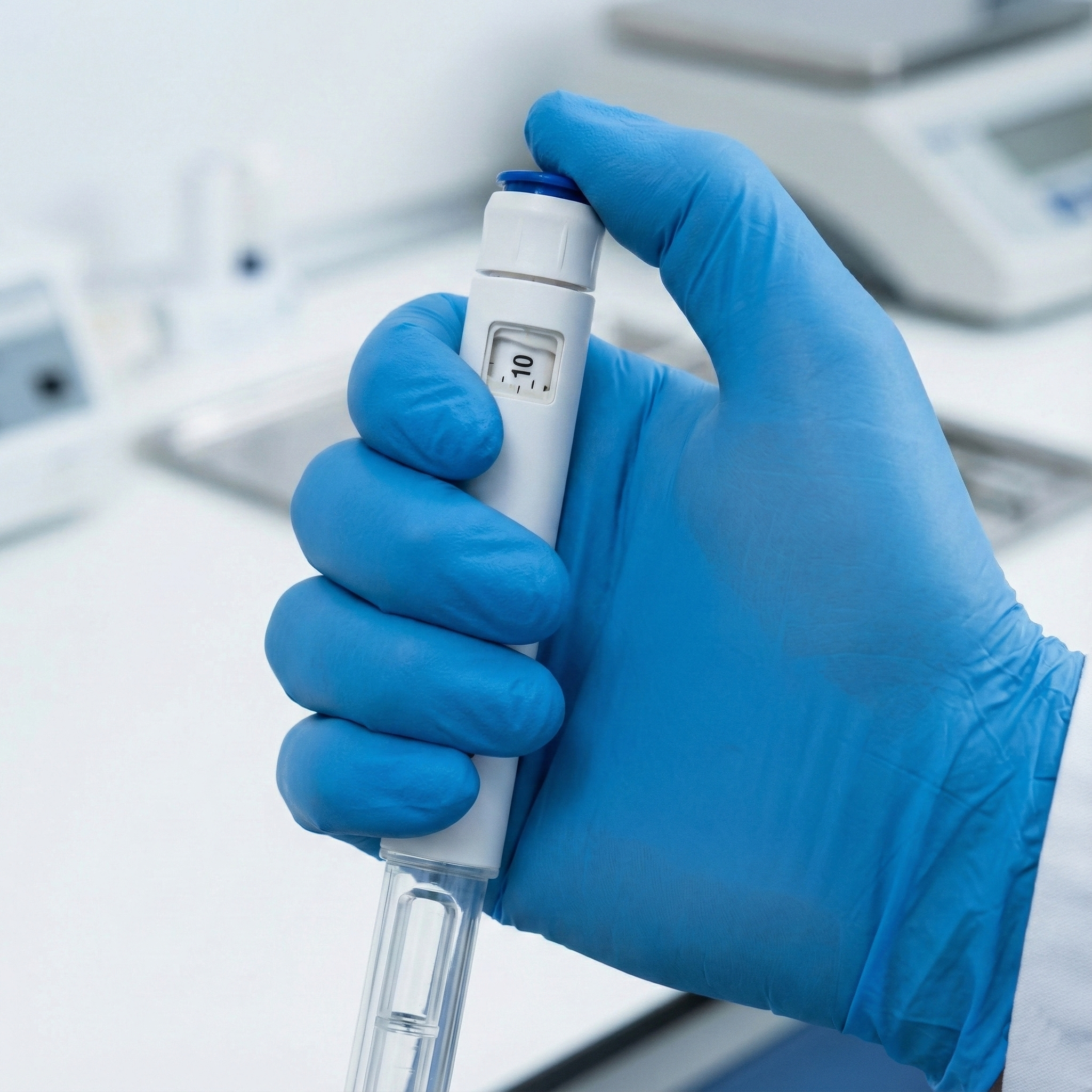
Needle wear is a common issue when syringes are used multiple times. Bent, dull, or rusted needles compromise the quality of insulin delivery and increase the risk of pain and tissue damage. A dull needle can lead to incomplete insulin absorption, making blood sugar control less efficient. Furthermore, bent or rusted needles can introduce harmful bacteria, causing infections. Medical professionals recommend checking needles for visible damage, as well as performing a "visual and tactile check" before each use. This ensures both comfort and accurate insulin dosing.
Using a damaged needle, such as one that is bent, dull, or corroded, increases the risk of pain, bruising, and infection at the injection site. Damaged needles can also cause incomplete or inefficient insulin delivery, leading to fluctuating blood sugar levels. Studies show that dull needles are more likely to cause tissue trauma, which could worsen over time, affecting insulin absorption. Regularly inspecting and replacing needles is essential for maintaining both effective insulin therapy and overall skin health. Always ensure that the needle is sharp and in good condition before each injection.
Proper handling and storage of syringes are crucial for maintaining needle integrity. Always avoid dropping or mishandling syringes, as impacts can cause bending or dulling of the needle. Store syringes in a dry, cool, and clean environment, away from moisture and extreme temperatures, which can cause corrosion. Additionally, never attempt to reuse needles, as this increases the risk of damage, infection, and reduced needle sharpness. A study from the American Diabetes Association emphasizes that maintaining the needle’s sharpness is key for minimizing tissue trauma and ensuring accurate insulin delivery.
Healthcare professionals consistently recommend replacing syringes after each use to prevent health risks such as infections and incorrect insulin dosing. Reusing syringes compromises both accuracy and hygiene, making it essential to follow medical guidance. Experts advise that a fresh syringe should always be used to ensure that insulin is delivered safely and effectively. Additionally, regularly consulting your doctor about your insulin delivery method can optimize your diabetes management plan.
If you're uncertain about reusing syringes or choosing the right insulin delivery method, consulting your healthcare provider is crucial. They can offer personalized advice based on your insulin needs, health condition, and lifestyle. They may suggest alternatives, such as reusable injection pens, and provide guidance on injection techniques to enhance comfort and effectiveness.
Your healthcare team is instrumental in providing ongoing support for your insulin regimen. They can help you understand the best syringe or pen options for your treatment, explain proper injection techniques, and monitor your overall diabetes care. Their advice ensures that your insulin therapy is optimized for efficiency and comfort, leading to better blood sugar control.
In this article, we explored the importance of replacing syringes regularly for safe and effective insulin administration. By using a fresh syringe each time, you can ensure accurate insulin delivery, prevent infections, and maintain optimal blood sugar control. We also highlighted the benefits of alternatives like reusable injection pens, which provide cost savings and environmental advantages over time. If you're seeking precision and reliability, Hangzhou Sunrise Medical Co., Ltd. offers high-quality reusable injection pens, designed for long-term diabetic care and efficient insulin delivery. Their products are crafted to ensure consistent performance, helping patients manage their diabetes more effectively.
A: It’s recommended to replace the syringe after each use to ensure accurate insulin delivery and prevent infection. Reusing syringes can dull the needle and increase the risk of tissue damage.
A: Reusing syringes is not advised as it can lead to infection, inaccurate dosing, and increased pain. For a safer alternative, consider using a reusable injection pen that can be refilled and used multiple times with proper needle replacement.
A: Reusable injection pens are cost-effective, reduce waste, and offer convenience. However, it’s important to replace the pen needle after each injection for hygiene and effective insulin delivery.
A: If you’re unsure about your syringe replacement routine or whether a reusable injection pen would be a better fit for your insulin regimen, consult your healthcare provider for personalized advice.
A: Regular syringe replacement ensures safe, accurate insulin delivery and helps avoid risks like needle dullness, infection, or tissue damage, ensuring better overall diabetes management.
A: Yes, a reusable injection pen is ideal for long-term insulin therapy as it is durable, cost-effective, and allows for precise insulin delivery with proper needle replacement after each use.


