


Views: 0 Author: Site Editor Publish Time: 2025-11-24 Origin: Site


An insulin injection pen is a convenient and precise device used by individuals with diabetes to manage their insulin therapy. It offers a simple and effective way to administer insulin, ensuring that patients can maintain stable blood sugar levels. Proper usage of an insulin pen is crucial for accurate dosing and effective diabetes management. With its user-friendly design, the insulin pen allows for easy, controlled injections with minimal discomfort. However, it's important to understand how to use the pen correctly to ensure proper insulin delivery and avoid complications. This guide will walk you through the steps of using an insulin pen, offer helpful tips for smooth injections, and address common mistakes to avoid, so you can administer your insulin with confidence and ease.
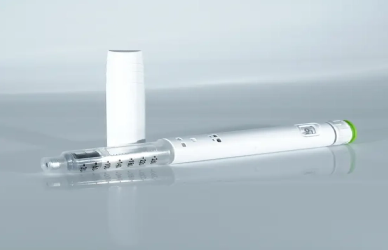
An insulin injection pen is designed with several key components that work together to deliver a precise dose of insulin:
Cartridge: The insulin cartridge holds the insulin solution. In pre-filled pens, the cartridge is already filled with insulin, while reusable pens allow you to replace the cartridge when needed.
Needle: The needle is used for the actual injection. It’s attached to the pen and typically comes in varying lengths and gauges depending on the user's needs.
Dial: The dial is used to set the dosage amount. It allows users to adjust the insulin dose accurately based on their prescribed needs, typically in increments of 1 unit or more.
Button: The button is pressed to release the insulin. Once the dose is dialed in, pressing the button pushes the insulin through the needle and into the skin.
There are two main types of insulin pens, each with its own benefits:
Pre-Filled Insulin Pens: These pens come pre-filled with insulin, meaning they are ready to use right out of the box. They are convenient, easy to use, and disposable once the insulin is used up.
Reusable Insulin Pens: These pens are designed to be used multiple times. Users can replace the insulin cartridge as needed. Reusable pens are often more cost-effective over time and environmentally friendly since the pen itself can be reused.
The insulin pen uses a precise dosing mechanism to ensure that the correct amount of insulin is administered. When you dial the pen, it adjusts a small internal piston that pushes insulin out of the cartridge and through the needle. The dosing mechanism allows for fine adjustments to ensure accuracy, and many pens are designed to deliver doses in increments as small as 1 unit. This precise dosing ensures that users can manage their insulin therapy effectively, tailoring it to their daily needs based on meal plans, exercise, and blood sugar levels.
Before using the insulin injection pen, wash your hands thoroughly with soap and water. Proper hygiene is essential to avoid introducing any bacteria into the injection site and to prevent infection.
Check the Insulin Type: Ensure that the insulin type in your pen matches what is prescribed by your doctor (e.g., long-acting or short-acting insulin).
Attach a New Needle (if necessary): If you’re using a new needle, remove the protective cap from both the needle and the insulin pen. Attach the needle securely to the pen.
Prime the Pen to Remove Air Bubbles: Hold the pen with the needle pointing upward, and dial a small dose (e.g., 2 units). Press the button to release insulin until you see a drop at the tip of the needle. This step removes air from the cartridge, ensuring accurate dosing.
Select an appropriate area for the injection. Common sites include:
Abdomen: At least 2 inches away from the belly button.
Thigh: The outer part of the thigh is a good site for injection.
Upper Arm: The back of the upper arm is also a viable option.
Rotate Injection Sites: To prevent tissue damage or irritation, rotate your injection sites regularly. Do not inject into the same spot repeatedly.
Clean the Injection Site: Use an alcohol swab to clean the skin where the needle will be inserted. Let it dry to avoid any discomfort from the alcohol.
Insert the Needle at the Correct Angle: For most individuals, insert the needle at a 90-degree angle to the skin. For those with less subcutaneous fat, a 45-degree angle may be recommended.
Push the Button to Administer the Dose: Press the button on the insulin pen to inject the insulin. Keep the button pressed for a few seconds to ensure that the full dose is delivered.
Remove the Needle Carefully: Once the insulin is administered, remove the needle gently from the skin.
Dispose of the Needle Properly: Never reuse a needle. Place the used needle in a proper disposal container for sharp objects.
Massage the Area (if recommended): Gently massage the injection site to ensure full absorption of the insulin, but avoid rubbing it too harshly. Some healthcare providers may recommend this step, depending on the insulin type.
After using the insulin pen, store it as per the manufacturer’s instructions:
Unopened Pens: Store them in the refrigerator.
Used Pens: Keep them at room temperature (away from direct heat or sunlight) for up to a month, depending on the insulin type. Always replace the cap on the pen when not in use.
By following these steps, you can ensure that your insulin injection pen is used effectively and safely for managing your diabetes. Always consult your healthcare provider for personalized guidance on insulin administration.
Proper site rotation and technique are crucial for preventing lipohypertrophy (fat buildup) and scarring, which can interfere with insulin absorption:
Rotate Injection Sites: Always use a different site for each injection to avoid overusing the same area. Common sites include the abdomen, thighs, and upper arms.
Don’t Inject into Scar Tissue: Avoid injecting into areas that feel hard or have scarring, as the insulin may not be absorbed properly. These sites can develop from repeated injections in the same spot.
Use a New Needle Each Time: To reduce irritation and discomfort, always use a fresh, sterile needle for each injection.
The timing and frequency of insulin injections depend on your prescribed regimen:
Follow Your Prescribed Schedule: Your doctor may recommend injecting insulin at specific times of the day (e.g., before meals, at bedtime). Consistency is key for maintaining stable blood sugar levels.
Stick to the Same Routine: Inject insulin at the same time each day to ensure you’re receiving the correct amount of insulin. If your schedule varies, consult your healthcare provider to adjust your regimen accordingly.
While insulin injections are generally painless, there are a few techniques you can use to reduce discomfort:
Choose the Right Needle: Use the shortest and thinnest needle appropriate for your injection, as smaller needles tend to cause less pain.
Relax the Injection Site: Try to relax the area where you’re injecting. Tensing the skin or muscle can increase discomfort.
Inject Slowly: Press the insulin pen button slowly and steadily to minimize pain. Rushed injections can cause discomfort.
Warm the Insulin: If your insulin is stored in the refrigerator, allow it to warm to room temperature before injecting. Cold insulin can cause more pain upon injection.
Properly tracking your insulin doses is essential for effective diabetes management:
Record Your Doses: Keep a log of each injection, including the time, dosage, and site of injection. This helps ensure that you’re following your prescribed regimen and provides important information for your healthcare provider.
Use a Dose-Reminder System: Some insulin pens have dose indicators or apps that help track injections. If your pen doesn’t have this feature, consider using a smartphone app or insulin logbook to help you stay on track.
Monitor Your Blood Sugar: Regularly check your blood sugar levels to assess the effectiveness of your insulin doses and adjust as needed with guidance from your healthcare provider.
Answer: The insulin pen will typically have a clear dose indicator. Always double-check the dialed dose before injecting. Consult your healthcare provider for guidance on dosage.
Answer: While it’s technically possible to reuse needles, it’s generally not recommended. Reusing needles can cause discomfort, increase the risk of infection, and affect the injection quality.
Answer: Contact your healthcare provider for specific instructions. They may suggest administering the missed dose as soon as possible or adjusting your schedule based on your treatment plan.
Answer: To minimize pain, try using a new needle each time, inject at a 90-degree angle, and rotate your injection sites. Relaxing the muscle and using a slow, steady push can also help reduce discomfort.
Successful insulin injections are crucial for effective diabetes management, and with the right techniques, they can become a seamless part of your daily routine. By following proper site rotation, timing your injections according to your prescribed regimen, and using techniques to minimize discomfort, you can ensure that each injection is as effective and painless as possible. Additionally, keeping track of your insulin doses and monitoring your blood sugar levels will help maintain optimal control over your diabetes. With attention to these key tips, you can confidently manage your insulin therapy and improve your overall health and well-being. Always consult your healthcare provider for personalized guidance to further enhance your injection technique and treatment plan.


