


Views: 0 Author: Site Editor Publish Time: 2025-11-25 Origin: Site


Managing type 2 diabetes often requires regular insulin injections to keep blood sugar levels in check. Insulin pens are a popular and effective tool for insulin delivery, offering a convenient, precise, and user-friendly alternative to traditional syringes. Choosing the best insulin pen for managing type 2 diabetes is essential, as the right pen can make daily injections more comfortable and improve adherence to treatment. Factors such as ease of use, dosing accuracy, needle compatibility, and portability are important considerations when selecting an insulin pen. In this article, we will explore some of the best insulin pens available for type 2 diabetes, highlighting their features, pros, and cons to help you make an informed choice. Whether you're new to insulin therapy or looking to switch pens, understanding the different options will ensure you find the best fit for your needs.
When selecting an Insulin Injection Pen for type 2 diabetes, it’s not just about the brand of insulin—you also need to think about how the pen fits your daily life and physical needs.
For many people with type 2 diabetes, especially older adults or those with limited dexterity or poor vision, the insulin pen must be simple and intuitive to operate.
Look for clear dose windows, easy-to-grip surfaces, and buttons that don’t require too much force.
A good Insulin Injection Pen should be easy to dial, easy to read, and easy to inject—even if your hands are shaky or your eyesight isn’t perfect.
Accurate dosing is critical for blood sugar control.
A quality Insulin Injection Pen should allow you to adjust doses in small increments (e.g., 1 unit steps), especially if your doctor fine-tunes your insulin frequently.
Some pens also have dose memory or last-dose recall, which can help you avoid missed or double doses and support more precise diabetes management.
The type of needle used with the Insulin Injection Pen affects both comfort and insulin delivery:
Check which needle brands and lengths are compatible with the pen.
Thinner, shorter needles can often make injections more comfortable, especially for patients who are nervous about injections.
Using compatible, high-quality needles helps ensure that the insulin is delivered correctly into the subcutaneous tissue.
For people who inject insulin multiple times a day, portability is a big deal.
A good Insulin Injection Pen should be compact, discreet, and easy to carry in a bag or pocket.
Consider whether the pen needs refrigeration when in use, how robust it is for travel, and whether it comes with a protective case.
Pens designed for daily carry can make it easier to stay on schedule when you’re at work, traveling, or dining out.
Finally, cost and access matter just as much as features.
Some insulin pens are reusable, with replaceable cartridges, which may be more economical over the long term. Others are pre-filled and disposable, offering convenience but sometimes at a higher recurring cost.
Check if the Insulin Injection Pen and its cartridges are covered by your insurance, government programs, or patient assistance plans.
Availability in your region also matters—you want a system that’s easy to refill and reorder without delays.
A reusable insulin pen that supports standard 3 mL cartridges and is compatible with many types of insulin.
Includes a dose memory function that records both the last dose and time since that dose—helpful for patients wanting assurance they haven’t missed or doubled up.
Suitable for type 2 diabetes patients who require frequent injections, need dose tracking, and prefer a durable, reusable format.
A pre filled insulin pen known for its convenience and ease of use—ideal for patients who prefer ready to use devices.
Designed for patients new to insulin therapy or those who prioritize simplicity and minimal setup.
Especially suitable for type 2 diabetes scenarios where frequent switching or simpler dosing regimens are required.
Another well known pre filled insulin pen with consistent performance and user friendly design.
Suitable for daily basal or bolus insulin injections in type 2 diabetes and often chosen for its reliability, especially when ease of use is a priority.
Offers large print dosing windows, simple dial and inject interface, and compatibility with a range of insulin types.
A strong option for patients with visual or manual dexterity limitations or who prioritize straightforward design and comfort.
A “smart” insulin pen that integrates Bluetooth or app connectivity to track doses, timing, and even correlate with continuous glucose monitoring.
Ideal for tech savvy type 2 diabetes patients or those wanting advanced data tracking to support their regimen.
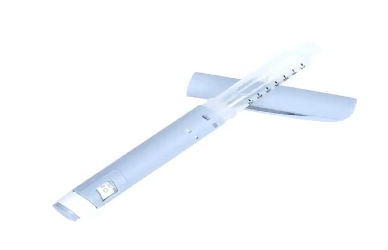
Pros: Reusable design, very precise dosing (1 unit increments) and a built in memory function that records last dose and time since last injection.
Cons: Requires separate cartridges (so some extra handling and cost), and while durable, may be less immediately portable than some simple disposable pens.
Pros: Pre filled and extremely convenient for on the go use, especially suitable for those new to insulin pens.
Cons: Because it’s disposable, long term cost may be higher compared with reusable models; less flexibility in terms of cartridge choice.
Pros: Consistent and reliable performance; compact design and easy daily use.
Cons: Being disposable after its insulin is used means recurring cost; fewer reusable components compared with some models.
Pros: Very easy to read dose markers, user friendly, comfortable for everyday injections.
Cons: Also disposable, and may lack some higher end features like dose memory or smart connectivity.
Pros: Advanced features (e.g., Bluetooth connectivity, dose tracking with smartphone apps) help people manage insulin more intelligently.
Cons: Higher purchase cost, requires syncing and tech use which may not suit everyone, may have battery or connectivity related limitations.
Answer: Insulin pens often offer advantages over syringes, including simpler handling, easier dose adjustment, and greater convenience. For many people with type 2 diabetes, pens can reduce setup time and the risk of dosing errors. However, syringes may still be appropriate in certain situations, such as when cost or availability are limiting factors.
Answer: It depends on the model. Some insulin pens are reusable—you replace the insulin cartridge when it’s empty and keep using the pen device for multiple cycles. Others are pre-filled and disposable, intended for single use until the insulin inside runs out, then discarded. Choose based on your preference, cost, and environmental considerations.
Answer: To select the right insulin pen, consider factors such as ease of use (especially if you have limited dexterity or vision), dosing precision, compatibility with needle types, your daily lifestyle (portability), and how much you’re willing to spend. Discussing your options with a healthcare provider will help match a pen to your insulin regimen and personal needs.
Answer:
Pre-filled pens come ready to use with insulin already loaded. They’re easy and convenient, ideal for straightforward injection routines. Once the insulin is finished, the pen is disposed of.
Reusable pens have a durable device body; you insert or replace insulin cartridges when needed. Over time, they can be more cost-effective and environmentally friendly, but they require a bit more handling (cartridge changes, tracking usage).
Answer: Proper storage of your insulin pen is crucial to maintain its effectiveness. If your insulin pen is unopened, it should be stored in the refrigerator. Once opened, most pens should be kept at room temperature (away from direct sunlight and heat) for up to 28 days, depending on the manufacturer’s guidelines. Always check the storage instructions provided with your specific insulin pen to ensure it stays effective.
In conclusion, choosing the right insulin injection pen is essential for optimal type 2 diabetes management. With a wide variety of options available, including pre-filled pens for convenience and reusable pens for cost-effectiveness, selecting the pen that best suits your needs can greatly enhance your daily routine. Important factors to consider include dosing precision, ease of use, needle compatibility, and how well the pen fits into your lifestyle in terms of portability and storage. By selecting a pen that aligns with your preferences and daily habits, you ensure smoother, more effective insulin administration. However, it’s important to remember that every individual has different needs. Therefore, consulting with your healthcare provider is crucial to get personalized recommendations that fit your treatment plan and help you manage your diabetes with greater ease and confidence. With the right insulin pen, you can take control of your diabetes management and improve your overall quality of life.


