


Views: 0 Author: Site Editor Publish Time: 2025-10-23 Origin: Site


Are you aware of the crucial role injection needle size plays in effective vitamin B12 administration? Vitamin B12 injections are vital for boosting energy and supporting nerve health. In this post, you'll learn how choosing the right needle size ensures safe and comfortable B12 delivery.
The gauge of a needle refers to its diameter or thickness. It is measured using a numeric scale where a higher number means a thinner needle. For example, a 30-gauge needle is thinner than a 25-gauge needle. When it comes to vitamin B12 injections, the gauge affects both comfort and injection speed. Thinner needles (higher gauge) cause less pain but may slow the injection process. Thicker needles (lower gauge) allow the vitamin to flow faster but can feel more uncomfortable. Typically, a gauge between 25 and 30 is recommended for B12 injections, balancing comfort and efficiency.
Needle length determines how deep the injection goes. Vitamin B12 is usually injected into muscle tissue, so the needle must be long enough to reach the muscle. Common lengths range from 5/8 inch to 1.5 inches. Shorter needles may only reach the fatty layer under the skin, reducing the injection's effectiveness. Longer needles ensure the vitamin reaches the muscle but can cause more discomfort if unnecessarily long. Selecting the right length depends on the injection site and the individual's body composition.
Body type plays a key role in choosing needle length. People with less muscle or lower body fat may only need a shorter needle, like 5/8 inch, to reach the muscle. Those with more muscle mass or thicker fat layers might need longer needles, such as 1 to 1.5 inches. For example, a lean person injecting in the thigh might use a shorter needle, while someone with more adipose tissue may require a longer one to ensure the injection reaches the muscle. Consulting a healthcare provider helps tailor needle size to individual needs. Choosing the right needle gauge and length improves injection comfort and ensures vitamin B12 reaches the muscle effectively.
For vitamin B12 injections, the needle gauge typically ranges between 25 and 30. A 25-gauge needle is thicker, allowing the injection to flow faster, which can be helpful if you prefer a quicker process. However, it may cause slightly more discomfort. On the other hand, a 27- or 30-gauge needle is thinner, causing less pain but slowing the injection slightly. Most healthcare providers recommend a 25- to 27-gauge needle as the best balance between comfort and efficiency for B12 injections.
Needle length is crucial to ensure the vitamin reaches the muscle tissue. The common lengths for intramuscular B12 injections range from 5/8 inch to 1.5 inches. For most adults, a 1-inch needle is standard, providing enough length to reach the muscle in typical injection sites like the upper arm or thigh. Thinner individuals might only require a 5/8-inch needle, while those with more muscle or fat tissue may need 1.25 to 1.5 inches for effective delivery. The injection site also influences length choice; for example, the thigh often requires a slightly longer needle than the deltoid.
Choosing the right gauge and length ensures the injection is both effective and comfortable. A needle that is too thin may make the injection take longer and could clog, while one that is too thick might increase pain. Similarly, a needle that is too short might deposit the vitamin into fatty tissue instead of muscle, reducing absorption and effectiveness. Conversely, a needle that is too long can cause unnecessary discomfort or even injury. The recommended sizes strike a balance, ensuring the vitamin reaches the muscle efficiently while minimizing pain and risk.
Using a 25- to 27-gauge needle with a length of 1 inch usually works well for most adults. Adjustments can be made based on body type, injection site, and personal comfort. Always consult a healthcare provider to confirm the best needle size for your specific needs. Always match your needle length to your body type and injection site to ensure the vitamin B12 reaches muscle tissue effectively and comfortably.
Using a needle that is too short for a vitamin B12 injection can cause the medication to be deposited in the subcutaneous fat instead of the muscle. Since vitamin B12 injections are typically intramuscular, this reduces absorption and effectiveness. The vitamin may not reach the muscle tissue where it is best absorbed, leading to diminished therapeutic benefits. Additionally, injecting into fat can cause irritation, discomfort, or even localized swelling. People might notice that their symptoms do not improve as expected because the vitamin isn’t delivered properly.
On the other hand, a needle that is too long can cause unnecessary pain or injury. Penetrating deeper than required might irritate nerves or blood vessels, leading to bruising, bleeding, or nerve damage. It can also increase discomfort during and after the injection. Longer needles may be more intimidating for self-injectors, increasing anxiety or hesitation. Over-penetration doesn’t improve absorption but raises the risk of complications, so it's important to avoid using needles longer than necessary.
Because the right needle size varies by body type, injection site, and individual needs, consulting a healthcare professional is essential. They can assess your muscle mass and fat layer to recommend the best needle gauge and length. Professionals also provide guidance on proper injection techniques to reduce risks and improve comfort. Never hesitate to ask your provider questions about needle size or injection method; their expertise ensures your vitamin B12 injections are safe and effective. Always consult a healthcare professional before changing needle size to avoid ineffective injections or injury.
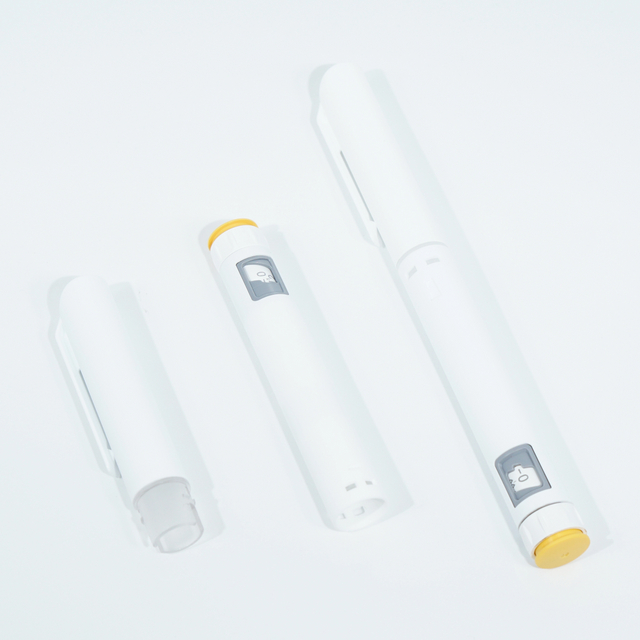
Administering your own vitamin B12 injection can be simple and safe when done properly. Follow these steps to ensure a smooth process:
Prepare Your Materials: Gather your syringe, needle, vitamin B12 vial or ampoule, alcohol wipes, gauze or cotton ball, and sharps disposal container.
Wash Your Hands: Use soap and warm water to clean your hands thoroughly. Dry them with a clean towel.
Clean the Injection Site: Use an alcohol wipe to clean the area where you plan to inject, usually the outer thigh or upper arm. Let it air dry to avoid stinging.
Draw the Vitamin B12: Attach a drawing needle to the syringe, remove the cap from the vial or ampoule, wipe its top with alcohol, then draw the prescribed dose into the syringe.
Change the Needle: Replace the drawing needle with the injection needle of the correct gauge and length.
Position the Injection Site: Stretch the skin slightly to make the muscle firm and relaxed.
Insert the Needle: Hold the syringe at a 90-degree angle and insert the needle quickly into the muscle.
Aspirate: Gently pull back the plunger to check for blood. If blood appears, remove the needle and try a different spot.
Inject Slowly: Push the plunger down slowly over 5-10 seconds to reduce discomfort.
Remove Needle: Withdraw the needle smoothly and immediately cover the site with gauze.
Dispose Safely: Place the used needle and syringe into a sharps container.
To prevent infection and complications, maintain strict hygiene:
Always use new, sterile needles and syringes for each injection.
Avoid touching the needle or injection site after cleaning.
Store vitamin B12 and injection supplies in a clean, dry place away from children and pets.
If you notice redness, swelling, or pain at the injection site, consult your healthcare provider immediately.
Proper disposal of needles and injection materials protects you and others:
Use a dedicated sharps container for needles, syringes, and any glass ampoules.
Do not throw needles in regular trash bins or recycling.
When the sharps container is full, follow local regulations to dispose of it safely—often through pharmacies or medical waste services.
Never attempt to recap needles after use unless your syringe has a safety feature to avoid needle-stick injuries.
Tip: Always prepare your injection area and equipment on a clean surface to maintain sterility and reduce infection risk during vitamin B12 self-administration.
While vitamin B12 injections are effective, some people prefer other ways to boost their B12 levels. Here are common alternatives:
Oral vitamin B12 supplements come as tablets, capsules, or sublingual (under the tongue) forms. They are easy to take and widely available. For many people with mild B12 deficiency, oral supplements work well because the body can absorb small amounts through the digestive tract. However, people with absorption problems, like pernicious anemia or certain digestive disorders, may not get enough B12 from pills alone.
Nasal sprays deliver vitamin B12 directly through the nasal lining. This method bypasses the digestive system, helping those who have trouble absorbing B12 from food or pills. Nasal sprays are convenient and painless, making them a good option for people who dislike needles. They usually require regular use, as prescribed by a healthcare provider.
Choosing the best B12 method depends on your health, lifestyle, and specific needs. A healthcare professional can assess your condition and recommend the most suitable option. They might suggest injections if you need quick correction or have absorption issues, or oral/nasal forms for maintenance or mild deficiency. Never switch or stop your B12 treatment without consulting your doctor. Always discuss alternative vitamin B12 options with your healthcare provider to find the safest and most effective method for your individual needs.
Knowing where to get your vitamin B12 injections helps ensure safety, convenience, and proper care. Here are the main options:
Clinics, hospitals, and doctor's offices are the most common places to receive vitamin B12 injections. Healthcare professionals administer the injections, ensuring correct needle size, technique, and dosage. These settings provide a sterile environment, reducing infection risk. If you have underlying health conditions or need frequent injections, professional facilities offer monitoring and advice for your treatment plan.
Benefits include:
Expert administration
Immediate medical support if needed
Access to consultation for questions or concerns
Some people prefer getting vitamin B12 injections at home. This option suits those with mobility issues, busy schedules, or who want privacy. Home injection services often involve a nurse or trained healthcare worker visiting your home to give the injection. Alternatively, some patients learn to self-inject after proper training.
Advantages include:
Convenience and comfort of home
Personalized care and instruction
Flexibility in scheduling
If you choose self-injection, ensure you receive thorough training from a healthcare provider. They can guide you on needle size, injection sites, and safe disposal of supplies.
Whether you get injections at a clinic or home, consultations remain vital. Healthcare providers help determine your injection frequency, needle size, and monitor your B12 levels. They also address any side effects or concerns.
Many clinics offer follow-up appointments or telehealth consultations to support ongoing treatment. Support groups or patient education resources can also help you manage your vitamin B12 therapy confidently. Choose a vitamin B12 injection provider that offers clear guidance and support, ensuring safe and effective treatment tailored to your needs.
Choosing the right needle size for vitamin B12 injections is crucial for comfort and effectiveness. A 25- to 27-gauge needle with a length of 1 inch is generally recommended. Adjustments should be made based on body type and injection site. Consulting a healthcare provider ensures safe administration. For reliable and effective vitamin B12 injection solutions, consider Sunrise's products, which offer quality and precision tailored to your needs, enhancing your overall health and wellness journey.
A: The recommended injection needle size for vitamin B12 injections is typically between 25- and 27-gauge, with a length of 1 inch for most adults, ensuring effective delivery to muscle tissue.
A: Body type affects injection needle choice, as individuals with more muscle or fat may require longer needles, while leaner individuals might use shorter needles for effective vitamin B12 delivery.
A: The injection needle gauge is important because it affects comfort and injection speed; a 25- to 27-gauge needle balances these factors for vitamin B12 injections.


