


Views: 0 Author: Site Editor Publish Time: 2025-11-28 Origin: Site


After injecting insulin, many people with diabetes wonder whether it's safe to shower right away. While showering is an essential part of daily hygiene, it’s important to be mindful of timing when it comes to insulin injections. Insulin is sensitive to temperature, and exposing the injection site to hot water right after an injection can impact how the insulin is absorbed. The heat from the shower increases blood flow to the area, potentially causing the insulin to be absorbed too quickly and leading to a sudden drop in blood sugar. Additionally, showering too soon can irritate the injection site, especially if the skin is still sensitive after the shot. In this article, we’ll explore why it’s advised to wait before showering after an insulin injection and the precautions you should take to avoid potential issues.
Insulin is a temperature-sensitive medication that must be stored and used under specific conditions to maintain its effectiveness. Ideally, insulin should be stored in the refrigerator until use but should be brought to room temperature before injection to avoid discomfort from cold insulin. However, exposing insulin to excessive heat, such as from hot water during a shower, can affect how it behaves in the body once injected.
Heat increases blood flow to the injection site, which can cause the insulin to be absorbed more rapidly than intended. When you take a hot shower, the heat from the water causes vasodilation (expansion of blood vessels), which accelerates the absorption of insulin into the bloodstream. While this might seem like a good thing for insulin delivery, it can cause problems.
Rapid insulin absorption can lead to a sudden drop in blood sugar levels, also known as hypoglycemia (low blood sugar). This happens because the insulin is delivered too quickly, reducing blood sugar faster than the body needs. Symptoms of hypoglycemia may include dizziness, shaking, confusion, and in severe cases, loss of consciousness. For people with diabetes, managing insulin timing and absorption is key to maintaining stable blood sugar levels, and exposure to heat too soon after an injection can disrupt that balance.
Injection Site Irritation
After an insulin injection, the skin can become sensitive or slightly irritated due to the needle's penetration and the insulin being deposited under the skin. This can lead to temporary soreness, redness, or minor swelling at the injection site. While these reactions are usually mild and subside after a short period, it’s important to be cautious about activities that could further irritate the area, such as showering.
Hot water and soap can exacerbate skin irritation around the injection site. When the skin is already sensitive from the needle insertion, exposure to hot water can cause further irritation or discomfort. Soap can also dry out the skin, making it more prone to cracking or peeling, especially in areas that have been repeatedly injected. Additionally, using hot water during a shower can increase blood flow to the area, which may not only worsen irritation but also disrupt insulin absorption.
During a shower, it’s important to avoid massaging or scrubbing the injection site, as this can cause additional damage to the skin and tissue. Applying pressure or friction to the area can lead to bruising, irritation, or even scarring, which may affect future insulin absorption. To minimize discomfort and prevent further irritation, gently pat the injection site with a towel rather than rubbing or pressing the area.
By being mindful of these factors—avoiding hot water, gentle handling of the skin, and proper site rotation—you can reduce the risk of skin irritation and ensure that your insulin absorption remains effective.
After administering an insulin injection, it's generally recommended to wait at least 30 minutes to an hour before taking a shower, particularly if you plan to use hot water. This allows the insulin to begin absorbing at a normal rate and minimizes the risk of rapid absorption that could occur with increased blood flow from hot water. By waiting this amount of time, you give the insulin time to settle into the subcutaneous tissue, ensuring it is absorbed properly.
To shower safely after an insulin injection:
Use lukewarm water instead of hot water, as excessive heat can cause insulin to absorb too quickly.
Avoid scrubbing or massaging the injection site, as this can irritate the skin and affect insulin absorption.
Ensure the water pressure is gentle to prevent unnecessary friction on the injection site, which can lead to discomfort or damage.
Monitor your blood sugar before and after showering, especially if you tend to experience rapid insulin absorption, to ensure that your blood sugar levels remain stable.
By allowing adequate time for insulin absorption and being cautious with water temperature and pressure, you can minimize the risk of disrupting insulin action and maintain healthy injection sites.
If you're using an insulin pump, showering requires a few extra precautions to ensure the pump and infusion site remain protected. Insulin pumps are typically worn on the body, and the infusion site (where the catheter enters the skin) must be kept clean and dry to prevent infection or complications.
Protecting the Pump: It's important to keep the pump itself dry while showering. Most pumps are not waterproof, so you should either disconnect the pump or cover it with a waterproof case or plastic wrap. Some pump users prefer to use a waterproof sleeve to protect the device from getting wet.
Protecting the Infusion Site: The infusion site should be shielded from direct exposure to water. If you're not disconnecting the pump, use a waterproof bandage or plastic covering over the infusion site to protect it from moisture. This helps maintain the integrity of the site and prevents irritation or infection.
Exposing the infusion site to water and heat during a shower can lead to several risks:
Moisture Damage: Prolonged exposure to water can cause the infusion site to become damp, potentially affecting the adhesive that holds the catheter in place. This can cause the catheter to move out of place, leading to ineffective insulin delivery.
Heat: Just like with insulin injections, hot water can increase blood flow to the site and cause the insulin to be absorbed too quickly. This may result in hypoglycemia (low blood sugar) if insulin is absorbed faster than needed.
Infection Risk: If the infusion site is exposed to water, there is a higher risk of bacteria entering the site, leading to possible infections or skin irritation.
To minimize these risks, it's crucial to be cautious and either disconnect the pump or protect both the pump and infusion site with waterproof covers while showering.
Answer: It's generally best to wait at least 30 minutes to an hour after an insulin injection before showering, even if the water is lukewarm. This allows the insulin to begin absorbing properly into the subcutaneous tissue. Hot water can increase blood flow to the injection site, which might cause the insulin to be absorbed too quickly, leading to potential low blood sugar. Lukewarm water is safer, but waiting ensures better absorption.
Answer: Showering with lukewarm water is less likely to affect insulin effectiveness compared to hot water. However, it's still important to avoid exposing the injection site to any pressure or irritation, which can affect absorption. Using lukewarm water and avoiding hot water ensures that insulin absorption is not prematurely accelerated.
Answer: It’s recommended to wait at least 30 minutes to an hour after an insulin injection before engaging in activities like showering or exercising. Exercise can also increase blood flow and potentially accelerate insulin absorption, which may lead to hypoglycemia. Waiting ensures that the insulin is absorbed at the intended rate, helping to maintain stable blood sugar levels.
Answer: Signs that insulin absorption may have been affected by a shower include low blood sugar symptoms such as dizziness, shaking, sweating, confusion, or weakness. If you notice these symptoms shortly after showering, it could be a result of insulin being absorbed too quickly due to increased blood flow. Monitoring your blood sugar levels and adjusting the timing of future activities can help prevent this issue.
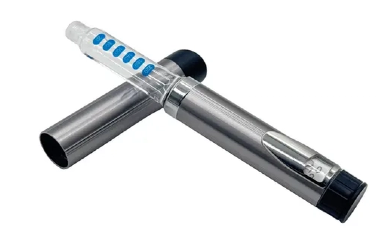
To get the best results from your insulin injection pen, it’s important to give the insulin some time to be absorbed before engaging in activities like showering. This waiting period ensures that the insulin is absorbed properly, preventing the risk of rapid absorption that could lead to low blood sugar or other complications. Taking a moment to be patient after each injection helps optimize insulin delivery and minimizes the risk of irritation at the injection site. If you're uncertain about the proper practices for using your insulin injection pen or how to manage daily activities like showering, it’s always wise to consult with your healthcare provider for advice tailored to your specific needs. By following these simple steps, you can effectively manage your diabetes and make daily life more comfortable.


