


Views: 0 Author: Site Editor Publish Time: 2026-03-31 Origin: Site


Insulin pens are a critical tool for managing diabetes, offering a convenient and efficient way to administer insulin. Among these, reusable insulin pens have become increasingly popular due to their cost-effectiveness and ease of use. But many patients wonder whether a prescription is required to obtain a reusable insulin pen. This article will explore the factors that determine whether you need a prescription for a reusable insulin pen, the benefits of using such devices, and how insurance companies play a role in coverage.
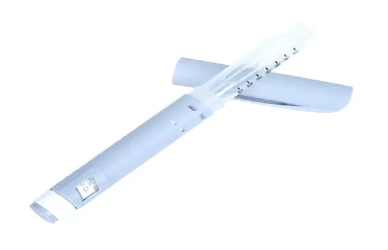
A reusable insulin pen is a device used by diabetes patients to inject insulin. Unlike disposable pens, which are thrown away after each use, a reusable pen is designed to be used multiple times with replaceable insulin cartridges. These pens allow patients to set their required insulin dosage with a simple twist or push of a button, making them an easy-to-use and reliable option for insulin delivery.
Reusable insulin pens typically have a durable plastic body with a dial that helps patients adjust the insulin dose. The insulin cartridges, which are inserted into the pen, are typically pre-filled and need to be replaced after a certain period or after the insulin runs out. These pens are particularly advantageous for patients who require regular insulin injections and want a more cost-effective and eco-friendly option compared to disposable pens.
Reusable insulin pens provide several benefits over disposable pens, such as:
Cost-Effectiveness: While the initial cost of a reusable pen is higher, patients only need to replace the insulin cartridges, making it more affordable in the long run.
Environmentally Friendly: Reusable pens contribute less waste compared to disposable pens.
Convenience: Reusable pens often come with adjustable dose settings, allowing users to easily administer the right amount of insulin each time.
Accuracy: Many reusable pens come with mechanisms that help ensure precise dosing, reducing the chances of overdosing or underdosing insulin.
Reusable insulin pens have become an increasingly popular choice among diabetes patients for their convenience, cost savings, and positive environmental impact.
In most cases, a prescription is required to obtain a reusable insulin pen. This is because insulin pens, even though they are medical devices, are closely linked to the administration of a controlled substance — insulin. As insulin is a prescription medication, healthcare providers typically need to write a prescription for the insulin pen, ensuring that the patient is receiving the proper device and dosage for their condition.
However, the requirements may vary depending on the region and the healthcare system in place. For instance, in some countries or areas with less regulation on medical devices, patients may be able to purchase reusable insulin pens over-the-counter without a prescription. However, these cases are less common, and it is always advisable to check local regulations or consult with a healthcare provider.
Country/Region | Prescription Requirement for Insulin Pen |
United States | Prescription typically required |
European Union | Prescription typically required |
Canada | Prescription typically required |
Australia | Prescription typically required |
India | Available over-the-counter in some regions but prescription may be preferred |
There are several factors that may influence whether a prescription is required for a reusable insulin pen:
Insurance Policies: In some cases, a prescription may be necessary for insurance companies to cover the cost of the insulin pen. Without a prescription, patients may not be eligible for reimbursement.
Country Regulations: Different countries have different regulations governing the sale and distribution of medical devices. In regions where insulin pens are classified as prescription devices, a doctor’s prescription is required.
Doctor’s Recommendation: Even in cases where a prescription isn’t strictly required by law, it’s always recommended that patients consult with a healthcare provider to ensure they are using the appropriate insulin pen for their treatment.
While a prescription is typically required for a reusable insulin pen, there are certain circumstances where patients may be able to obtain one without a prescription. This can depend on where they live, their local healthcare system, and how insulin pens are regulated in their country. Some patients may also find that certain over-the-counter insulin pens are available in certain regions, though these may not always be the same quality or type as those prescribed by a doctor.
For example, some pharmacies or online vendors in less regulated regions might offer over-the-counter insulin pens. However, these products are less likely to be covered by insurance and may not come with the same guidance or instructions as those prescribed by a healthcare provider.
In most cases, a prescription is necessary to obtain a reusable insulin pen. Not only does a prescription ensure that the correct device is being used, but it also helps healthcare providers monitor and adjust the patient’s treatment plan. Since insulin dosage and frequency can vary from patient to patient, it’s essential to work with a healthcare provider to find the right insulin pen and the appropriate insulin dose.
Additionally, insurance coverage often requires a prescription to process claims and reimburse the costs of insulin pens. Without a prescription, the patient may have to pay out-of-pocket for the pen, which can be expensive.
Most insurance plans cover the cost of reusable insulin pens, as they are recognized as essential tools for diabetes management. However, coverage can vary depending on the plan, the provider, and the type of insulin pen prescribed. Patients may need to provide a valid prescription from their doctor in order to qualify for reimbursement.
Insurance Coverage Type | Description |
Fully Covered | Insurance covers the full cost of the insulin pen with a prescription |
Partial Coverage | Insurance covers part of the cost, and the patient is responsible for a co-pay |
No Coverage | Some insurance plans may not cover the insulin pen, requiring patients to pay out-of-pocket |
Patients should check with their insurance provider to understand the specifics of their coverage and what steps need to be taken to ensure the cost of the insulin pen is covered.
As mentioned earlier, insurance companies generally require a prescription in order to approve reimbursement for the insulin pen. Without this prescription, it is likely that the patient will need to pay the full cost out-of-pocket. Many insurance providers will also require periodic refills, ensuring that the patient continues to receive necessary medication.
In most cases, a prescription is required to obtain a reusable insulin pen, as it is considered a medical device associated with the administration of insulin, a prescription medication. However, in some regions with fewer regulations or specific online vendors, patients might be able to purchase a reusable insulin pen without a prescription. It is important to check local regulations and consult with a healthcare provider to ensure proper use and dosage.
Yes, insulin cartridges used in reusable insulin pens typically require a prescription. Insulin itself is a regulated substance, and healthcare providers must monitor the patient’s insulin needs to prescribe the appropriate dosage. The prescription ensures the right type and dosage of insulin are used, minimizing the risks of errors and ensuring optimal treatment for diabetes management.
Insurance coverage for reusable insulin pens depends on the specific plan and provider. Many insurance plans do cover the cost of the insulin pen when it is prescribed by a healthcare provider. However, some insurance policies may only cover a portion of the cost, and patients may be required to pay a co-payment or deductible. It's essential to check with your insurance company to understand the details of your coverage, including whether the pen is fully covered or if you’ll need to pay out-of-pocket.
Although reusable insulin pens come with a higher initial cost due to their durable design, they are generally more economical in the long run. With a reusable pen, patients only need to replace the insulin cartridges, which reduces ongoing costs compared to disposable pens that need to be replaced entirely after each use. Over time, this can lead to significant savings, making reusable pens a cost-effective choice for long-term diabetes management.
In summary, while a prescription is generally required for obtaining a reusable insulin pen, some regions may offer the option to purchase it over-the-counter. The need for a prescription often depends on country regulations, insurance policies, and the specific medical conditions being treated. Even if it is not mandatory in certain areas, consulting with a healthcare provider is always recommended to ensure the correct insulin pen is used and the dosage is appropriate for the patient’s needs. The cost of insulin pens and insurance coverage may also influence whether a prescription is required, as insurance companies often require a doctor’s prescription for reimbursement.


