


Views: 0 Author: Site Editor Publish Time: 2026-03-31 Origin: Site


Lantus (insulin glargine) is one of the most commonly prescribed long-acting insulins used in the treatment of diabetes. As diabetes continues to be a widespread condition, insulin is essential for managing blood glucose levels. However, insulin, including Lantus, can be quite expensive, especially for individuals who do not have insurance. Understanding the cost of Lantus without insurance is crucial for managing healthcare expenses. In this article, we will explore the cost of Lantus without insurance, factors that influence its price, and ways to save money on this vital medication.
Lantus is available in two main forms: a vial and pre-filled insulin pens. Without insurance, the cost can vary significantly depending on several factors such as location, pharmacy, and whether the patient is buying the brand-name version or a generic version. While Lantus is an essential medication for many individuals with diabetes, the cost can be prohibitive without insurance, especially considering that many patients require it on a long-term, daily basis.
Lantus Type | Cost Without Insurance |
10mL Vial | $300 - $450 |
5-Pack Insulin Pens | $350 - $450 |
The cost of Lantus can fluctuate depending on the location and the pharmacy. For example, purchasing Lantus from a local retail pharmacy may cost more than buying it through a large chain pharmacy or online pharmacy. The 10mL vial, which contains approximately 1000 units of insulin, typically costs between $300 and $450 without insurance. On the other hand, a 5-pack of pre-filled pens typically falls within the same price range but may be priced slightly higher due to the convenience of the pre-loaded pens.
Several factors can influence the cost of Lantus without insurance. These include:
Geographic Location: The price of Lantus may vary from one region to another. In larger metropolitan areas, the price may be higher due to market demand, whereas smaller towns may see slightly lower prices.
Pharmacy Pricing: Different pharmacies have different pricing structures. Chain pharmacies such as Walgreens or CVS may offer different prices than independent local pharmacies, so it’s always a good idea to shop around for the best deal.
Brand vs. Generic: While Lantus is the brand name for insulin glargine, there are alternatives available, such as Basaglar, which is a biosimilar version of Lantus. The cost of Lantus brand may be higher than generic alternatives, though they are designed to be therapeutically equivalent.
Online Pharmacies: Purchasing Lantus online may offer discounts compared to in-person purchases. However, it’s essential to ensure that the online pharmacy is legitimate and offers secure shipping of insulin.
Lantus is available in multiple forms, including vials and pre-filled pens. The following table outlines the approximate cost ranges for both forms:
Product Type | Approximate Cost Without Insurance |
Lantus 10mL Vial | $300 - $450 |
Lantus 5-Pack Insulin Pens | $350 - $450 |
The Lantus 10mL vial typically contains 1000 units of insulin. It is the most common form of Lantus prescribed to patients who need long-term insulin therapy. This vial is typically used by individuals who inject insulin with a syringe or insulin pen that is compatible with vials. Without insurance, the cost for a 10mL vial generally ranges from $300 to $450. For individuals requiring daily insulin injections, this vial may last for a few weeks depending on their prescribed dosage.
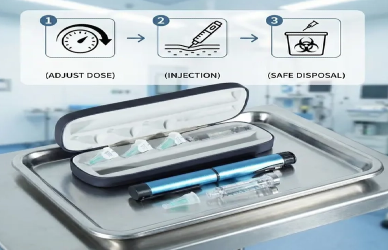
The Lantus 5-pack insulin pens come pre-filled with insulin and are designed for easy, on-the-go use. This form of Lantus is popular for its convenience, as it eliminates the need to manually draw insulin from a vial. The cost of the Lantus 5-pack insulin pens without insurance typically ranges from $350 to $450. While slightly more expensive than the vial, the convenience of pre-filled pens and the fact that they are ready for immediate use make them a preferred option for many patients.
Several discount programs and coupons can help reduce the out-of-pocket cost of Lantus. Pharmaceutical companies, including Sanofi (the maker of Lantus), often offer patient assistance programs that provide discounts or even free insulin for eligible patients. These programs are designed for individuals who have limited income or are uninsured. Additionally, third-party websites and discount cards, such as GoodRx, may offer further savings on insulin medications like Lantus, making it more affordable for those without insurance.
Saving Option | Description |
Patient Assistance Programs | Offered by manufacturers like Sanofi, providing free or discounted insulin for eligible patients. |
Discount Cards (e.g., GoodRx) | Provides coupons that can be used at pharmacies for reduced prices on Lantus. |
Pharmacy Shopping | Different pharmacies may offer lower prices, especially online or through major pharmacy chains. |
Many pharmaceutical companies have patient assistance programs for individuals who cannot afford their medications. For example, Sanofi, the manufacturer of Lantus, has a program called Sanofi Patient Connection, which helps uninsured patients get free or discounted insulin. Patients may need to meet certain eligibility criteria, such as income levels or being uninsured, in order to qualify for these programs. These programs are an excellent resource for people who need insulin but cannot afford the full cost, ensuring they have access to the necessary medication.
Discount cards like GoodRx or SingleCare can offer significant savings on Lantus. These services provide coupons that can be used at participating pharmacies, reducing the out-of-pocket cost. These cards are especially helpful for patients who do not have insurance or whose insurance does not cover Lantus. By using a discount card, patients can often save up to 80% on the cost of their insulin, making it much more affordable.
In addition to Lantus, there are other long-acting insulins available, such as Basaglar, a biosimilar to Lantus. Basaglar is typically priced lower than Lantus, making it an affordable alternative for individuals without insurance. Levemir and Tresiba are also options, though they tend to be more expensive than Lantus and Basaglar. Patients should consult their healthcare provider to determine if switching to a different insulin is appropriate for their diabetes management. Exploring these alternatives may help patients find a cost-effective solution that fits their needs.
While Lantus is a popular choice for diabetes management, there are other long-acting insulins available that may be more affordable without insurance. Below is a comparison of the cost and benefits of some commonly used long-acting insulins:
Insulin Type | Average Cost Without Insurance | Duration of Action | Key Differences |
Lantus (Insulin Glargine) | $300 - $450 (10mL vial) | 24 hours | Well-known, widely prescribed, and available in both vials and pens. |
Basaglar (Insulin Glargine) | $250 - $400 (10mL vial) | 24 hours | A biosimilar to Lantus, typically more affordable. |
Levemir (Insulin Detemir) | $350 - $500 (10mL vial) | 16-24 hours | Has a shorter duration compared to Lantus. |
Tresiba (Insulin Degludec) | $400 - $600 (10mL vial) | Up to 42 hours | Longer-acting insulin, often used for patients with fluctuating insulin needs. |
Lantus typically costs between $300 to $450 for a 10mL vial or a 5-pack of insulin pens, depending on the pharmacy and region. Prices may vary based on geographic location, whether the patient opts for brand-name Lantus or a biosimilar alternative, and the specific pharmacy pricing structure.
Yes, Basaglar, a biosimilar to Lantus, is a more affordable alternative while providing similar benefits. Basaglar offers the same active ingredient (insulin glargine) and works in much the same way as Lantus, making it a viable and often less expensive option for those without insurance.
Yes, many discount programs and cards, like GoodRx or SingleCare, can provide significant savings on Lantus at participating pharmacies. These cards offer coupons that can help reduce the price of the medication, especially for patients who do not have insurance or whose insurance does not cover the cost of insulin.
Some pharmaceutical companies offer patient assistance programs, which can provide free or discounted insulin for eligible patients without insurance. Programs like Sanofi Patient Connection are designed to help uninsured individuals obtain essential medications, including Lantus, based on income levels or financial need. Additionally, other organizations may offer similar support to help reduce the financial burden of purchasing insulin.
Understanding the cost of Lantus without insurance is crucial for managing healthcare expenses, especially since it is a medication that many individuals with diabetes rely on daily. The price of Lantus can range from $300 to $450 for a vial or a 5-pack of pens, but various cost-saving options are available, including patient assistance programs, discount cards, and shopping around at different pharmacies. Exploring generic alternatives or other long-acting insulins like Basaglar may also help reduce out-of-pocket costs. Ultimately, consulting a healthcare provider and exploring available resources can help ensure that patients with diabetes can continue to afford and access the insulin they need to manage their condition effectively.


