


Views: 0 Author: Site Editor Publish Time: 2025-12-28 Origin: Site


Effective diabetes management relies heavily on the precision of insulin delivery. With the rise of diabetes cases globally, reusable injection pens have emerged as a reliable solution, offering greater accuracy compared to traditional syringes. These pens ensure precise insulin dosing, helping patients maintain optimal blood glucose levels. In this article, we will explore how reusable injection pens work with such precision and why their design makes them a preferred choice for many patients. You will gain insights into their components, mechanisms, and the benefits they offer in daily diabetes management.
An insulin pen is a medical device used for administering insulin injections. It’s designed to be easy to use, portable, and more accurate than traditional syringes. Reusable injection pens differ from disposable ones because they allow users to replace insulin cartridges rather than dispose of the entire device after use. This makes them a cost-effective and sustainable option, especially for people who need insulin multiple times a day.
The core components of an insulin pen include:
| Core Component | Description | Functionality | Guidance |
|---|---|---|---|
| Cartridge Holder | The compartment where the insulin cartridge is securely placed. | Holds the insulin cartridge in place for delivery. | Ensure the cartridge is correctly installed to avoid leaks or dosage errors. |
| Dosing Mechanism | The system responsible for regulating the insulin dose. | Adjusts the plunger to release a precise dose of insulin. | Regular calibration is essential to maintain accurate dosing. Look for pens with fine-tuned adjustments for flexibility. |
| Needle | The part through which insulin is injected into the body. | Delivers insulin subcutaneously to the patient. | Choose the appropriate needle size based on body type and comfort; thinner needles (higher gauge) cause less discomfort. |
| User Interface | The dial or button used to set the desired insulin dose. | Allows the user to select and confirm the insulin dose. | Check that the interface is easy to read and operate, especially for users with visual impairments. Look for models with audible feedback. |
Tip:Each of these components plays a vital role in ensuring that the correct amount of insulin is delivered with precision. The reusable injection pen is particularly designed to maintain these components over time, offering reliability with each use.
Understanding the differences between disposable and reusable insulin pens is crucial when choosing the right device. The table below clearly highlights the differences in usage, cost, precision, and other factors, helping users make an informed decision.
| Feature | Disposable Insulin Pen | Reusable Insulin Pen |
|---|---|---|
| Structure and Design | Pre-filled, discarded after use, simplifying the process. | Users can replace the insulin cartridge, making it a more resource-efficient option. |
| Applicability | Ideal for short-term use, travel, and temporary treatment. | Suitable for long-term management, reduces waste, ideal for patients requiring frequent injections. |
| Long-Term Cost | High, as it is disposed of after use. | Low, as only insulin cartridges need to be purchased regularly. |
| Ease of Use | Ready to use, no parts to replace, simple operation. | Slightly more complex, requires regular cartridge replacement and pen maintenance. |
| Maintenance and Considerations | No maintenance required, simply dispose of after use. | Requires regular checks, cleaning, and maintenance to ensure proper cartridge installation. |
| Technical Specifications and Precision | Accurate, but disposable after each use. | High precision, with a dosing mechanism ensuring accurate insulin delivery. |
| Environmental and Sustainability | Not environmentally friendly, generates waste after every use. | Environmentally friendly, reduces waste, supports sustainable development. |
| Dose Control and Adjustment | Has a single dose, no adjustment functionality. | Offers precise dose adjustment, with fine-tuning options (e.g., half-unit doses). |
| Safety | Single-use, avoids cross-contamination risk. | Requires regular needle changes and cleanliness to avoid contamination risks. |
| User Experience | Simple to use, no extra steps required. | More flexible, but requires some experience, potentially increasing complexity. |
| Suitable Users | Suitable for temporary patients or short-term treatment. | Ideal for long-term diabetes patients, especially those needing frequent injections. |
| Portability and Travel Convenience | Extremely convenient, ideal for travel or on-the-go use. | Requires extra cartridges, but more economical for long-term travel use. |
Tip: When choosing a reusable insulin pen, regular cleaning and maintenance will ensure long-term accuracy and reliability, especially for patients requiring long-term treatment.

The key to the precise delivery of insulin lies in the screw thread mechanism that drives the plunger. A reusable injection pen utilizes a screw thread to move the plunger inside the insulin cartridge. This system allows for very small rotations, enabling the pen to deliver insulin with great accuracy. The fine threading ensures that even minimal movements translate into precise doses, making the pen suitable for patients who need small or variable doses.
The reusable injection pen is calibrated to ensure that each rotation of the dosing dial results in a specific amount of insulin being delivered. The internal structure of the pen supports fine-tuned adjustments, which is especially important when patients need to make minute changes in their insulin regimen. Regular calibration checks maintain the pen's accuracy over time, ensuring it delivers the correct dose every time.
The dial mechanism in reusable injection pens is designed with a spiral groove that guides the plunger’s movement. As the user rotates the dial, the spiral groove adjusts the plunger’s position, delivering the precise volume of insulin. This system allows for micro-adjustments, giving patients the flexibility to fine-tune their insulin dosage. The reusable injection pen provides increments as small as half a unit, which is essential for controlling blood sugar levels effectively.
To confirm that the correct dosage has been selected, reusable injection pens often include feedback mechanisms, such as audible clicks or haptic feedback. These signals ensure that users know when the correct dose has been set and when the injection has been completed. This feature is especially helpful for patients with visual impairments or those who are unsure of the exact amount of insulin delivered.
Modern reusable injection pens incorporate electronic components that enhance dosing accuracy. Sensors, microcontrollers, and Bluetooth modules work together to monitor and adjust insulin delivery. These pens often feature digital displays that show the remaining dose and provide visual feedback when the dose has been delivered. The integration of these electronic components ensures that users can track their insulin usage more effectively.
Some advanced reusable injection pens sync with mobile apps or cloud platforms to track insulin doses and provide reminders. This integration allows users to monitor their insulin intake, set dosing schedules, and share data with healthcare providers. By using software, these pens also calculate doses based on user input, further improving accuracy and convenience.
In addition to mobile apps, reusable injection pens can be integrated with health data management systems like electronic health records (EHRs). This connectivity ensures that healthcare providers have up-to-date information on insulin usage, which can help with treatment adjustments. The data also allows for a more personalized approach to diabetes management, improving patient outcomes.
Needle selection is a critical factor in the precision of insulin delivery. The length and gauge (thickness) of the needle can influence the accuracy of the injection. Shorter needles are ideal for subcutaneous injection and reduce the risk of injecting into muscle, especially in lean individuals. Reusable injection pens offer a variety of needle options, ensuring that patients can choose the one that best suits their needs.
| Needle Feature | Shorter Needles | Longer Needles |
|---|---|---|
| Ideal Use | Best for subcutaneous injections. | Used for deeper injections if necessary. |
| Effect on Precision | Reduces the risk of injecting into muscle, increasing accuracy. | May be more suitable for individuals with thicker skin or higher body fat. |
| Recommended for | Lean individuals, those with less subcutaneous fat. | Individuals with higher body fat or those needing deeper injections. |
| Needle Gauge (Thickness) | Typically higher gauge (thinner needle). | Typically lower gauge (thicker needle). |
| Comfort | Generally more comfortable due to thinner and shorter length. | May cause more discomfort due to the increased thickness and length. |
| Impact on Injection Depth | Provides precise, shallow subcutaneous injection. | Suitable for reaching deeper layers if subcutaneous tissue is thick. |
Choosing the right needle involves considering factors such as body type, insulin dosage, and comfort. Reusable injection pens offer compatibility with various needle lengths and gauges, allowing for flexibility in needle choice. For example, thinner needles (higher gauge) are less painful and provide a smoother injection experience.
Advancements in needle technology have significantly reduced the discomfort associated with insulin injections. Reusable injection pens are equipped with ultra-fine, short needles that minimize pain and enhance the injection experience. These needles are specifically designed to make the injection as comfortable as possible, encouraging better adherence to insulin therapy.
Proper needle disposal is essential to prevent infections and injuries. Reusable injection pens come with safety features that make needle disposal easier and safer. Once the needle is used, it should be carefully removed and disposed of in a sharps container. Regularly changing the needle ensures that each injection is as hygienic as possible.
Priming the pen is an essential step in ensuring that the first dose of insulin is accurate. Reusable injection pens require priming to remove air bubbles that could interfere with insulin delivery. By following the manufacturer's instructions and priming the pen before each injection, patients can ensure consistent insulin flow.
The location of insulin injection plays a crucial role in its absorption rate. The reusable injection pen can be used on various injection sites, such as the abdomen or thigh, each with its own absorption profile. Patients are encouraged to rotate their injection sites to prevent tissue damage and improve insulin absorption.
To maintain accurate insulin delivery, it's important to use the reusable injection pen correctly. Patients should follow the manufacturer’s instructions carefully and troubleshoot common issues such as air bubbles or misdialed doses. Regular cleaning and maintenance of the pen also ensure its continued accuracy and reliability.
Proper storage of insulin is essential for maintaining its efficacy. Reusable injection pens should be stored in a cool, dry place, and insulin cartridges should be replaced regularly. Temperature fluctuations can affect the quality of insulin, so it’s crucial to avoid exposing the pen to extreme temperatures.
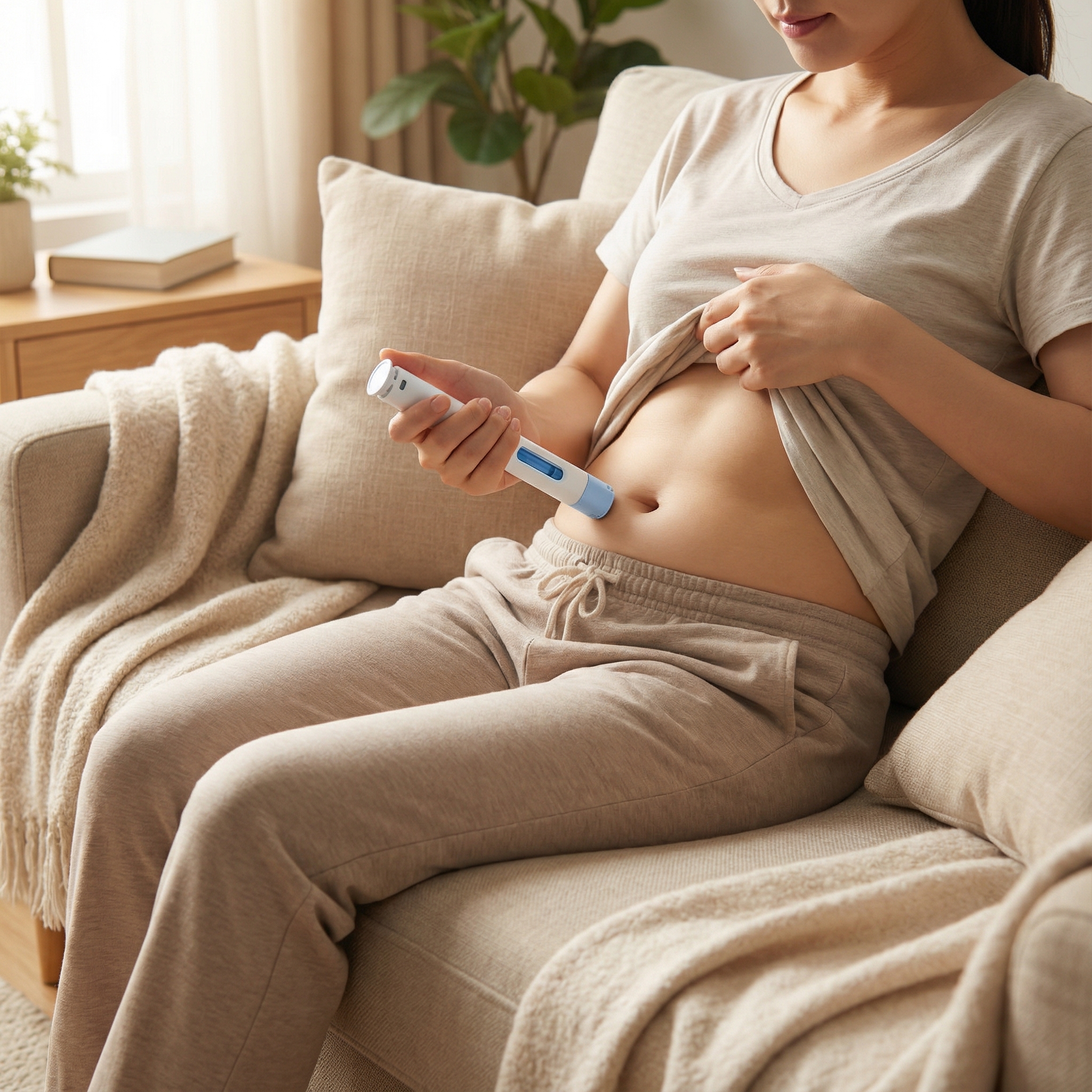
The precise dosing mechanism of reusable injection pens ensures that patients can administer the correct insulin dose consistently. This level of accuracy plays a critical role in preventing blood sugar fluctuations, which can lead to long-term health complications. By providing accurate doses, these pens help patients maintain better blood glucose control, reducing the risks associated with both hypoglycemia and hyperglycemia.
Reusable injection pens are designed for convenience and ease of use, encouraging better adherence to diabetes management plans. Their portability means that patients can carry them throughout the day and administer insulin on the go. The precision of the pens also reduces the likelihood of dosing errors, promoting more consistent treatment and ensuring that patients stay on track with their therapy, even during busy or stressful times.
The user-friendly design of reusable injection pens contributes to a better quality of life for diabetes patients. The ease of use reduces the mental and emotional burden of managing diabetes, allowing patients to live more freely and comfortably. Additionally, the discreet design of these pens means patients can inject insulin in public without drawing attention, helping to maintain privacy and reduce the stigma associated with diabetes management.
In conclusion, reusable injection pens are crucial for ensuring precise insulin delivery, which is essential for effective diabetes management. Their design, incorporating accurate dosing mechanisms and modern technology, allows patients to manage their condition with greater control and fewer risks. These pens improve blood glucose control by reducing dosing errors and enhancing patient adherence to treatment plans. As technology continues to advance, reusable injection pens will become even more accurate and user-friendly, further optimizing diabetes care. Companies like Hangzhou Sunrise Medical Co., Ltd. play a key role in providing these reliable and innovative pens, helping patients and healthcare providers achieve better long-term health outcomes through precise insulin delivery.
A: Reusable injection pens use a screw thread mechanism that moves the plunger inside the insulin cartridge, ensuring accurate insulin doses with minimal rotation, providing precise control over the insulin delivery.
A: Reusable injection pens offer long-term cost-effectiveness, environmental benefits, and the ability to replace insulin cartridges, unlike disposable pens that are discarded after use.
A: Regularly clean and calibrate your reusable injection pen, and replace the insulin cartridge as needed. Proper maintenance ensures precise dosing and reliable performance.
A: The dosing mechanism in reusable injection pens ensures that each insulin dose is delivered accurately, helping prevent over- or under-dosing, which is crucial for blood glucose control.


