Introduction
Did you know that improper insulin injections can lead to severe complications? Many people struggle with the process, whether it's choosing the right site, administering the correct dose, or simply managing the discomfort. In this article, we’ll guide you through how to inject insulin safely and effectively, making this essential task easier and less intimidating. We will cover everything from preparing your insulin and selecting the right injection site to using a reusable injection pen to make the process more convenient and cost-effective. By the end of this article, you’ll be confident in your insulin injection technique and equipped with the knowledge to better manage your diabetes with ease.
Preparing for the Injection
Gather Your Supplies
Before starting, make sure you have all the necessary supplies. This includes insulin (either in a vial or pen), a syringe or pen, alcohol wipes for disinfecting the skin, and a sharps container for safe needle disposal. Ensuring that all items are ready and within reach helps you to administer the injection smoothly and without delay. This is essential for reducing anxiety and ensuring that you don’t miss any critical steps.
Key Supplies to Have Ready:
Insulin: Ensure you have the correct insulin, whether it’s long-acting or short-acting.
Syringe or Insulin Pen: Depending on your preference, choose the device that works best for you.
Alcohol Wipes: To sanitize the skin before the injection.
Sharps Container: For the safe disposal of needles and syringes.
Having everything prepared in advance can help you stay organized and ensure a calm, quick injection experience. If you're using a reusable injection pen, remember to attach a new needle for each use and store the pen according to the manufacturer’s instructions.
Verify Insulin Type and Dose
It’s essential to check that the insulin you’re using is the correct type and hasn’t expired. Insulin types vary—short-acting, long-acting, and mixtures—so make sure you're using the prescribed kind for your specific needs. Also, verify the expiration date to avoid using ineffective insulin. Using expired or incorrect insulin can cause serious fluctuations in your blood sugar levels, making it harder to manage your diabetes effectively.
How to Verify Insulin and Dose:
| Step | Description | Application | Considerations/Important Notes | Application Scenarios | Relevant Recommendations |
| Check the Insulin Type | Ensure you're using the prescribed insulin (rapid-acting, intermediate, or long-acting). | Verify that the insulin you're using matches the prescribed type to meet your specific diabetes treatment needs. | - Different types of insulin have different effects on blood sugar levels.- Do not mix insulin types unless instructed by your doctor. | Common insulin type selection in clinical treatment. | Understand insulin types and follow doctor recommendations to ensure correct type matching. |
| Confirm the Expiration Date | Always use fresh insulin to avoid inconsistent results. | Expired insulin may lose its potency, leading to ineffective blood sugar control. | - Expired insulin can cause higher blood sugar levels.- Always check the expiration date before every injection. | Time management for insulin use in clinical settings. | Regularly check insulin expiration dates and avoid using expired insulin. |
| Double-Check the Dose | Ensure you are using the correct dosage, as prescribed by your doctor. | Confirm that the insulin dose matches your prescribed amount to avoid under- or over-injecting. | - Check the dosage dial on your pen or syringe.- A wrong dose can lead to serious health risks (low or high blood sugar). | Daily insulin injection management for diabetic patients. | Always double-check the dose before injection to ensure accuracy. |
Tip: When using a reusable injection pen, always prime the pen before use to ensure it is dispensing the correct amount of insulin. This helps avoid air bubbles that can affect the accuracy of your dose.
Hand Hygiene
It is critical to wash your hands thoroughly before administering insulin. Hands can carry bacteria or germs that could lead to infection at the injection site. By washing your hands with soap and water for at least 20 seconds, you reduce the risk of contaminating the needle or injection site.
Steps for Proper Hand Hygiene:
| Step | Description | Detailed Instructions | Important Notes |
| Step 1: Wash Hands with Warm Water and Soap | Begin by wetting your hands with warm water and applying soap. | - Use warm water (not hot) to help dissolve oils on your skin.- Apply enough soap to cover your entire hand. | - Make sure to cover all areas of your hands, including your wrists. |
| Step 2: Rub All Parts of Your Hands | Rub all parts of your hands thoroughly. | - Rub the palms, back of hands, between your fingers, and under your nails.- Scrub for at least 20 seconds to ensure cleanliness. | - Ensure to clean areas like between the fingers and under the nails, where germs often hide. |
| Step 3: Dry Hands Thoroughly with a Clean Towel | Dry your hands completely with a clean, dry towel or air dryer. | - Use a clean towel or paper towel to dry your hands.- If using an air dryer, ensure hands are thoroughly dry before touching anything. | - Wet or damp hands can transfer germs to the injection site. |
| Step 4: Use Hand Sanitizer (If Soap and Water Are Not Available) | If soap and water are unavailable, use hand sanitizer. | - Apply enough hand sanitizer to cover the entire surface of your hands.- Rub hands together for at least 20 seconds until dry. | - Hand sanitizer is less effective if hands are visibly dirty. Always ensure complete dryness before proceeding with the injection. |
Tip: If you don’t have access to soap and water, hand sanitizer can be used, but it’s less effective than washing with water. Always ensure your hands are completely dry before proceeding with the injection.
Choosing the Right Injection Site
Common Injection Sites
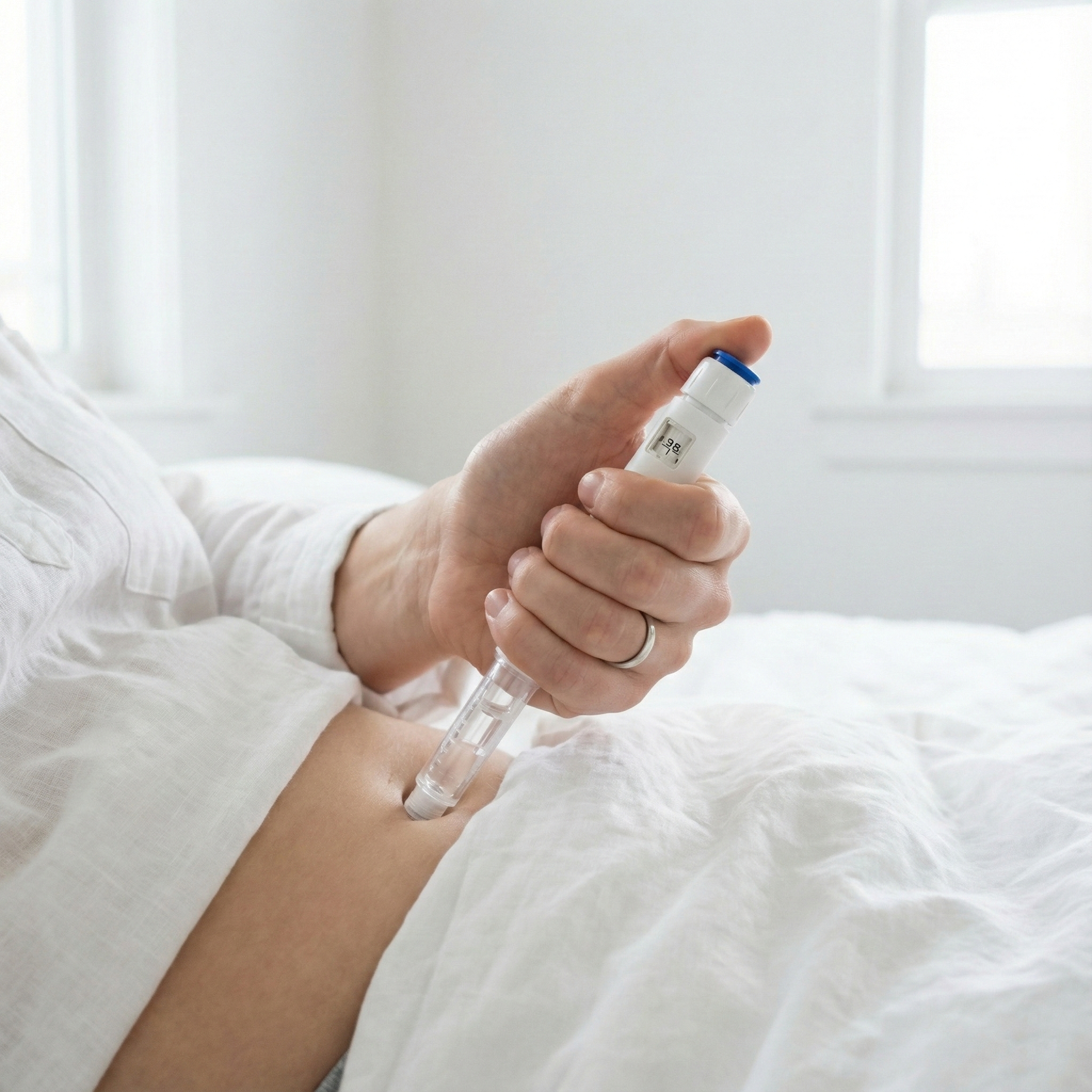
The right injection site is essential for effective insulin absorption. The most common sites are the abdomen, thighs, upper arms, and buttocks. Each of these areas offers a large enough surface for easy access, but the absorption rates vary. The abdomen, in particular, tends to absorb insulin more quickly than other areas, making it an ideal spot for fast-acting insulin.
Common Injection Sites:
Abdomen: Offers quick and reliable insulin absorption.
Thighs: Slower absorption, but suitable for long-acting insulin.
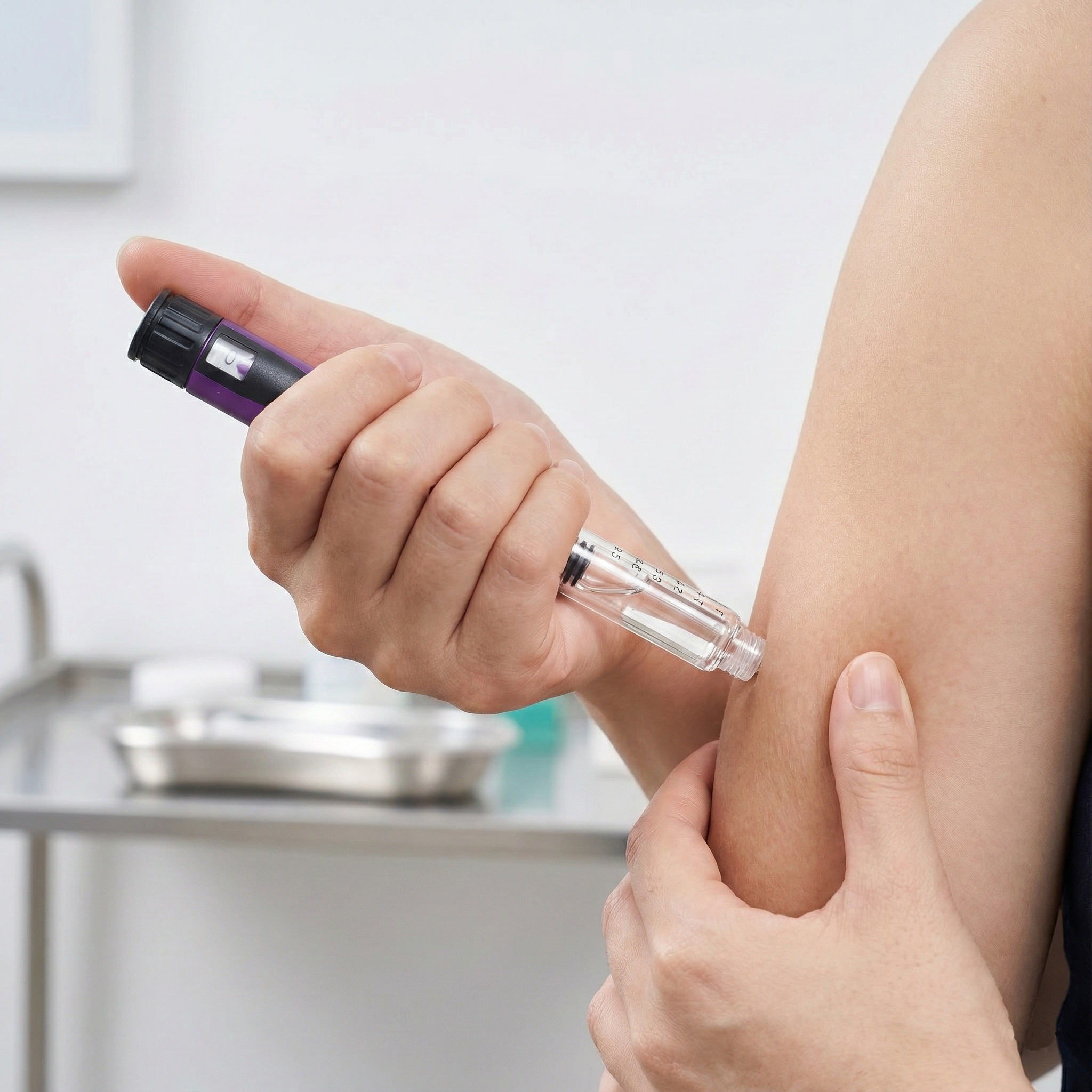
Upper Arms: Can be a good spot for injecting insulin, especially if you have a partner to assist.
Buttocks: A more challenging area to reach but effective for long-acting insulin.
Each of these areas can be effective depending on your insulin type and personal preference. It’s essential to rotate injection sites regularly to prevent lipohypertrophy, which can interfere with insulin absorption and lead to lumps or bumps under the skin.
Importance of Site Rotation
To avoid complications like lipohypertrophy (fatty lumps at the injection site), it's important to rotate your injection sites regularly. Lipohypertrophy occurs when you inject insulin into the same site repeatedly, causing the fat tissue to become thicker and harder. This affects how well the insulin is absorbed and may lead to higher blood sugar levels.
How to Rotate Injection Sites:
Keep a Log: Track your injection sites to ensure you’re rotating.
Distance Between Injections: Inject at least 1 inch away from the previous site to ensure proper absorption.
Rotate Within Areas: You can alternate between major areas like the abdomen in the morning and the thighs in the evening.
By rotating your sites, you help maintain consistent insulin absorption and reduce the risk of developing tissue damage.
Preparing the Skin
Before injecting, it’s crucial to clean the skin to prevent infection. Alcohol wipes are commonly used to disinfect the skin at the injection site. Once you wipe the area, allow the alcohol to dry completely before injecting to avoid a stinging sensation. This also helps prevent irritation.
Steps for Preparing the Skin:
Use an alcohol wipe to clean the skin.
Allow the area to dry fully before injecting to prevent stinging.
Never rub the alcohol into the skin, as this could increase irritation.
Preparing the skin properly ensures a smooth, comfortable injection.
Injection Technique with Reusable Injection Pens
Preparing the Pen
If you're using a reusable injection pen, the first step is to attach a new needle. Follow the manufacturer's instructions carefully for priming the pen, which involves dialing up 2 units of insulin and pressing the button until a drop of insulin appears. This ensures that the pen is working properly and air bubbles are removed.
Steps for Preparing the Reusable Injection Pen:
| Step | Description | Detailed Instructions | Important Notes |
| Step 1: Attach a New Needle | Attach a new needle to the injection pen. | - Remove a new needle from its packaging and ensure it is clean and undamaged.- Screw the needle onto the pen securely to ensure it’s tightly connected. | - Ensure the needle is fully attached to the pen to prevent leaks or inaccurate injections. |
| Step 2: Prime the Pen | Prime the pen by dialing 2 units and pressing the button. | - Turn the dial on the pen to set it to 2 units.- Press the button until a drop of insulin appears, ensuring smooth flow and air bubble removal. | - Priming ensures proper insulin flow and removes air bubbles that can affect dosage accuracy. |
| Step 3: Check the Dose Window | Check the insulin dose window to ensure the correct dose is set. | - Double-check the dose displayed in the window to ensure it matches the prescribed amount.- Adjust if necessary to match the correct dose. | - Always verify the dose before injection to avoid any dosing errors. The correct dose is crucial for blood sugar control. |
Tip: Always check the insulin dose before every injection when using a reusable injection pen. This helps ensure accurate insulin delivery and prevents any dosing errors.
Inserting the Needle
After preparing the pen, it’s time to insert the needle. Pinch the skin if necessary to ensure you're injecting into the fatty layer beneath the skin. Insert the needle at a 90-degree angle and press the dose button until the window shows zero.
Steps for Needle Insertion:
| Step | Description | Detailed Instructions | Important Notes |
| Step 1: Pinch the Skin | Pinch the skin (if needed) to create a fold. | - Gently pinch a fold of fatty tissue at the injection site (typically the abdomen or thigh).- Pinching helps to ensure the insulin is injected into the fatty layer, not the muscle. | - Pinching is especially useful for thinner patients or when using longer needles. |
| Step 2: Insert the Needle | Insert the needle quickly at a 90-degree angle. | - Hold the pen or syringe like a dart and insert the needle straight into the skin at a 90-degree angle.- A quick, steady motion minimizes discomfort. | - Ensure the needle is inserted straight to avoid injecting into muscle, which may cause faster absorption and pain. |
| Step 3: Press the Button | Press the button to administer the insulin. | - Press the button or plunger slowly and steadily to inject the insulin.- Ensure you push the entire dose of insulin. | - Avoid rushing the injection to ensure all insulin is delivered properly. |
Tip: Inject the needle quickly and steadily to reduce pain and ensure insulin is absorbed correctly. Slow or hesitant movements can increase discomfort and lead to incomplete injections.
Post-Injection Steps
After administering the insulin, wait for 10 seconds to allow the insulin to be fully absorbed. This step ensures that all of the insulin is delivered properly into the fatty tissue. Once 10 seconds have passed, remove the needle carefully, maintaining the same 90-degree angle as when it was inserted. Dispose of the used needle immediately in a puncture-resistant sharps container to ensure safety and prevent injury. Following these post-injection care steps helps ensure the injection is effective, safe, and hygienic.
Using Syringes for Insulin Injection
Drawing the Insulin
If you're using a syringe instead of an insulin pen, the first step is to draw air into the syringe equal to the dose you need. Inject the air into the vial to equalize pressure, and then draw the prescribed amount of insulin into the syringe. Always check for air bubbles, as they can affect the dose.
Steps for Drawing Insulin:
| Step | Description | Detailed Instructions | Important Notes |
| Step 1: Draw Air into the Syringe | Draw air into the syringe to match the amount of insulin needed. | - Pull the plunger to draw air into the syringe equal to the insulin dose you need to withdraw. | - This step helps maintain pressure balance when injecting into the vial. |
| Step 2: Inject Air into the Vial | Inject air into the vial before drawing insulin. | - Insert the syringe needle into the vial and push the plunger to inject the air into the vial. | - Injecting air prevents a vacuum in the vial, making it easier to draw the insulin. |
| Step 3: Draw the Correct Amount of Insulin | Draw the prescribed amount of insulin into the syringe. | - Turn the vial upside down, and pull the plunger to draw the correct dose of insulin.- Check for air bubbles, and if any are present, push the insulin back and redraw. | - Always ensure the syringe is free of air bubbles for an accurate dose. |
Tip: When drawing insulin, always ensure the syringe is free of air bubbles. Air bubbles can affect the insulin dose and lead to inaccurate blood sugar control.
Injecting the Insulin
The following steps are essential for ensuring insulin is injected correctly and absorbed efficiently. Proper technique helps reduce discomfort and ensures the insulin works effectively in the body.
| Step | Description | Application | Considerations/Important Notes | Efficiency | Effectiveness |
| Pinch the Skin | Gently pinch a fold of fatty tissue to avoid injecting into muscle. | Ensures insulin is injected subcutaneously for slower absorption. | Pinching helps to avoid muscle, which can lead to faster insulin absorption. | Helps prevent muscle injection. | Promotes steady insulin absorption. |
| Insert Needle | Insert the needle at a 90-degree angle. | Straightforward method for insulin delivery. | Ensure the needle is straight to prevent discomfort or improper injection. | Ensures a direct and precise injection. | Quick and effective delivery. |
| Push the Plunger | Inject the insulin steadily by pressing the plunger down. | Steady pressure ensures full insulin delivery. | Don’t rush; injecting too fast can cause discomfort or incomplete delivery. | Effective insulin distribution. | Ensures proper dose is administered. |
| Wait 10 Seconds | Leave the needle in place for 10 seconds after injecting. | Prevents insulin leakage and ensures full absorption. | Make sure insulin remains in place for maximum effect. | Prevents leakage. | Ensures complete insulin absorption. |
Tip: Always inject insulin slowly and steadily to minimize discomfort and ensure complete absorption. Rushing the injection can lead to missed doses and discomfort.
Disposal of Syringes
Proper disposal of syringes and needles is critical for safety. Ensuring that needles are disposed of immediately and correctly prevents injuries and contamination.
| Disposal Method | Description | Application | Considerations/Important Notes | Efficiency | Effectiveness |
| Sharps Container | A container designed to safely hold used needles and syringes. | Used to dispose of needles immediately after use. | Always use a puncture-resistant container. Never reuse or repurpose it. | Safe and hygienic disposal. | Minimizes risk of injury or contamination. |
| Proper Sealing | Secure the container once it's ¾ full. | Prevents accidental exposure or injury. | Check your local regulations for disposal sites. | Reduces contamination risk. | Ensures safety for healthcare professionals. |
| Do Not Reuse Needles | Never reuse needles or syringes. | Always dispose of needles after one use to maintain sterility. | Reusing needles increases the risk of infection and damage to tissues. | Safe practice. | Ensures proper hygiene and safety. |
Tip: Never dispose of needles in regular trash; always use a designated sharps container to ensure safety and prevent accidental injury.
Tips for Safe and Comfortable Injections
Minimizing Pain
To reduce pain during insulin injections, ensure that the insulin is at room temperature before use. Cold insulin can cause increased discomfort when injected. Additionally, injecting insulin into the fatty tissue rather than the muscle is important for minimizing pain and ensuring a slower, more consistent absorption rate. Muscles tend to absorb insulin more quickly, which can cause discomfort and result in less predictable blood sugar control. Always take a moment to allow the insulin to warm up slightly and carefully choose a fatty tissue area for the injection to enhance comfort.
Speed and Confidence
Injecting insulin quickly and confidently can help minimize discomfort and reduce anxiety. Taking a deep breath and relaxing before injecting helps reduce muscle tension, making the process smoother. Injecting slowly or hesitating can lead to more pain, as it increases the time the needle is in the skin. Practice makes this process easier and more efficient over time. With consistent and confident technique, injections will feel more routine, and anxiety will decrease, helping to make each injection faster, more effective, and less stressful.
Avoiding Injection Site Issues
Regularly rotating your injection sites is crucial for preventing lumps, bruises, and other skin issues that may arise from frequent injections in the same area. Repeated use of the same spot can lead to lipohypertrophy, a condition where fat tissue thickens, affecting insulin absorption and making injections less effective. To avoid this, rotate your injection sites systematically, and never inject into areas with scars, bruises, or other skin abnormalities. By maintaining healthy, well-rotated sites, insulin absorption is more consistent, and skin health is preserved, making injections more effective and comfortable.
Managing Insulin Dosage and Tracking
Using Smart Pens for Accurate Tracking
Smart pens are invaluable tools for managing insulin doses, providing accuracy and convenience. These pens allow you to track your doses automatically, ensuring you are consistently on target. Many smart pens also come with apps that sync with your device, offering real-time data on insulin usage and blood sugar levels. This integration simplifies the process of managing your diabetes, making it easier to monitor your insulin administration and make timely adjustments. By using a smart pen, you gain better control and insight into your treatment regimen, helping you stay on top of your diabetes management.
Keep a Record of Your Injections
Tracking your insulin doses is essential for effective diabetes management. Whether you prefer a paper logbook or a digital app, keeping a record helps prevent missed doses and ensures you are taking the correct amount of insulin. Regularly logging your doses also provides valuable data for healthcare providers, allowing them to adjust your treatment plan if necessary. Mobile apps can simplify this process, offering easy tracking and reminders, while paper logs are useful for those who prefer a more traditional approach. Consistent tracking helps you stay organized and ensures you never overlook an important dose.
Adjusting Doses Based on Blood Sugar Levels
Adjusting insulin doses based on regular blood sugar monitoring is critical for maintaining stable glucose levels. Work with your healthcare provider to personalize your insulin regimen, ensuring that your doses match your daily needs. Regular blood sugar checks give you the insight needed to make informed decisions about adjusting your insulin. It’s important to consult your doctor if you notice trends in your blood sugar levels or if you experience frequent highs or lows. By monitoring and adjusting insulin doses as needed, you can achieve better control over your diabetes and avoid complications.
Conclusion
Injecting insulin safely and effectively is crucial for managing diabetes. Whether using a reusable injection pen or a syringe, following proper techniques ensures better blood sugar control. By selecting the right injection sites, rotating regularly, and disposing of needles properly, insulin injections become a routine with minimal discomfort. Hangzhou Sunrise Medical Co., Ltd. offers high-quality reusable injection pens, making insulin delivery more convenient and cost-effective. Their products ensure precise insulin administration, supporting better diabetes management. Always consult with a healthcare provider for personalized guidance.
FAQ
Q: What is a reusable injection pen?
A: A reusable injection pen is a device designed for insulin delivery, which can be used multiple times by replacing the needle. It offers convenience and cost savings, making insulin administration easier and more efficient.
Q: How do I use a reusable injection pen?
A: To use a reusable injection pen, attach a new needle, prime the pen, and dial the correct dose. Insert the needle at a 90-degree angle and press the button to administer the insulin.
Q: Why should I use a reusable injection pen instead of syringes?
A: A reusable injection pen is more convenient, eco-friendly, and cost-effective than disposable syringes. It provides precise dosing and is easier to use, especially for regular insulin injections.
Q: Can I reuse the needle on a reusable injection pen?
A: No, always use a new needle with each injection to prevent contamination and ensure proper dosing. Reusing needles can lead to discomfort and infection.
Q: How do I store my reusable injection pen?
A: Store your reusable injection pen according to the manufacturer's instructions, typically at room temperature, and ensure the cap is securely placed to prevent contamination.


