


Views: 0 Author: Site Editor Publish Time: 2025-12-26 Origin: Site


Did you know that millions of people with diabetes make simple yet costly mistakes when injecting insulin? These errors can lead to discomfort, inaccurate dosing, and long-term health complications. In this article, we will highlight the most common insulin injection mistakes and offer practical solutions for avoiding them. You'll also learn how reusable injection pens can significantly improve your insulin delivery and help you better manage your diabetes.
Repeated injections in the same spot can lead to poor insulin absorption and other complications. It’s crucial to rotate injection sites regularly to ensure effective insulin delivery and prevent tissue damage. Here’s a breakdown of how site rotation impacts insulin therapy.
| Aspect | Details |
|---|---|
| Why It’s Important | Repeated injections at the same site cause lipodystrophy, which leads to poor insulin absorption over time, reducing its effectiveness. |
| Impact on Insulin Absorption | Consistent injection in the same spot damages tissue, resulting in less effective insulin delivery and the need for higher doses. |
| Long-Term Consequences | Failing to rotate injection sites can lead to insulin resistance and permanent skin changes, requiring even higher doses to manage blood sugar levels. |
| How to Rotate Injection Sites | Alternate between different areas of the body (abdomen, thighs, arms) to prevent overuse of any one site. Create a systematic rotation pattern for consistency. |
| Best Practices for Site Rotation | Ensure at least 2-3 cm of space between each injection to avoid tissue damage. Rotate between different areas on the same body part to maintain tissue health. |
| Role of Reusable Injection Pens | Many reusable injection pens are equipped with site-tracking features, helping users track their injection locations and ensuring proper rotation. This feature reduces the risk of overusing one spot. |
| Effectiveness of Site Rotation | Proper rotation allows the skin and underlying tissue to heal, ensuring optimal insulin absorption and reducing the risk of lipodystrophy. Consistent rotation also helps maintain insulin therapy effectiveness over time. |
| Safety Considerations | Avoid injecting insulin into the same site multiple times in a row. This prevents irritation, infection, and tissue damage. Regularly changing sites ensures hygienic and efficient use of insulin. |
| Technical Details | Use a consistent rotation schedule to ensure that each injection site is given sufficient time to heal. Many pens allow for a "log" of previous injection sites to help track which areas have been used. |
| Application for Diabetes Control | Proper rotation of injection sites leads to more reliable insulin absorption, making blood sugar control more stable and reducing the chances of insulin fluctuations. |
Using the wrong needle size is another common mistake that can cause discomfort and lead to inaccurate insulin delivery. If the needle is too long, it may go deeper than necessary, potentially hitting muscle tissue, which can cause pain and lead to inefficient insulin absorption. On the other hand, a needle that is too short may not penetrate deep enough to reach the subcutaneous tissue, resulting in improper insulin administration. Choosing the right needle size is crucial for both comfort and accuracy. It's important to select a needle based on your body type and the injection site. Shorter needles are typically recommended for subcutaneous injections, as they are less painful and ensure that the insulin is delivered correctly. Many insulin pens, including reusable injection pens, are compatible with various needle lengths, allowing users to select the most appropriate size for their needs, enhancing both comfort and dosing accuracy.
Priming the insulin pen is an essential step in ensuring accurate insulin delivery, but it is often overlooked. Failing to prime the pen before use can lead to air bubbles being injected instead of insulin, which can disrupt the injection process and lead to improper dosing. This mistake can result in high blood sugar levels, as the body may not receive the full insulin dose it requires. To avoid this, always follow the manufacturer's instructions and prime the pen before each injection. Priming typically involves dialing up a small amount of insulin and pressing the button until a drop of insulin appears, indicating that the pen is ready for use. This simple step ensures that air bubbles are removed, and the insulin flows properly, helping to deliver the correct dose every time. Many reusable injection pens are designed with clear priming instructions and easy-to-follow steps, making this process straightforward and ensuring that users can inject insulin accurately.
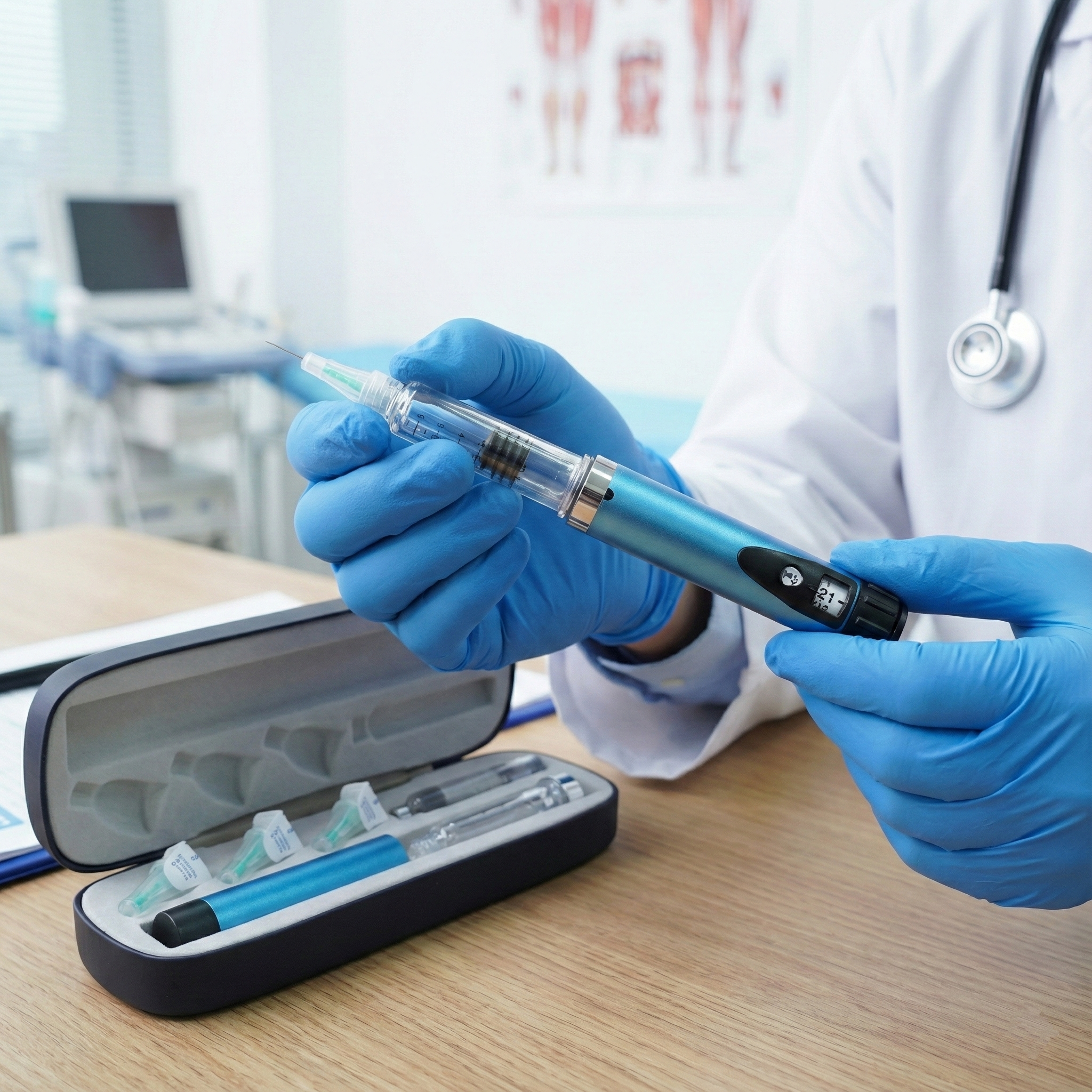
Proper storage of insulin is crucial to maintaining its effectiveness. Insulin must be kept at a consistent, proper temperature to preserve its potency. If insulin is stored incorrectly—whether exposed to extreme heat, freezing temperatures, or direct sunlight—it can degrade, rendering it ineffective. This can lead to poor blood sugar control, as the insulin will no longer work as intended. To prevent this, insulin should always be stored in a cool, dry place. It’s important to avoid leaving insulin in hot environments, such as in a car on a sunny day, or placing it in freezing conditions. Never freeze insulin, as doing so can destroy its chemical structure. By following these simple storage guidelines, you can ensure that your insulin remains effective and ready for use whenever you need it.
Tip: Always check the storage conditions of your insulin. Avoid placing it in direct sunlight or extreme temperatures to prevent wasting insulin that no longer works effectively.
Using expired insulin is a mistake that can have serious consequences for diabetes management. Over time, insulin loses its potency, and when used past its expiration date, it may not work as effectively. This can result in poor blood sugar control, making it more difficult to manage diabetes. In the worst-case scenario, using expired insulin may lead to elevated blood sugar levels, increasing the risk of complications. It is important to regularly check the expiration dates on your insulin supplies and replace any expired insulin with fresh stock. Proper disposal of expired insulin is also crucial to avoid confusion and ensure you are only using active, effective medication.
Injecting insulin too quickly can lead to discomfort, bruising, and inaccurate insulin delivery. When insulin is injected too rapidly, it may not be absorbed properly, and in some cases, the insulin can leak out of the injection site. This not only wastes the medication but also disrupts blood sugar control, as the insulin is not fully absorbed into the bloodstream. To avoid this, it’s important to inject insulin slowly and steadily. Taking your time with the injection ensures that the insulin has enough time to be absorbed properly, reducing discomfort and the risk of bruising. A slow injection process also allows for more accurate dosing, which is essential for maintaining stable blood sugar levels.
Tip:Consider using a reusable injection pen with an ergonomic design. These pens are often easier to handle, providing a more controlled and comfortable injection experience, which helps reduce the urge to rush through the process.
After administering insulin, it’s important to hold the needle in place for a few seconds before removing it. Pulling the needle out too quickly can cause insulin to leak from the injection site, resulting in wasted medication and bruising. Additionally, removing the needle too soon can lead to incomplete absorption of the insulin, which affects the effectiveness of the injection. To ensure the full dose is delivered, always take a moment after injecting to leave the needle in place. This simple step helps ensure that the insulin is fully absorbed, giving you better control over your blood sugar levels.
One of the most significant mistakes in insulin administration is under-dosing, which can lead to elevated blood glucose levels and poor diabetes management. Insulin doses that are too low fail to regulate blood sugar adequately, causing imbalances that can result in both short-term and long-term health issues. To avoid under-dosing, it’s essential to double-check the dial on your reusable injection pen to ensure the correct amount of insulin is being administered. Taking the time to confirm your dose is crucial for effective diabetes control and for preventing fluctuations in blood sugar levels.
Tip: Many reusable injection pens feature feedback mechanisms, such as audible clicks or visual indicators, which confirm that the full dose has been delivered. These features make it easier to ensure that you are using the correct amount of insulin every time, improving the consistency and accuracy of your treatment.
Fear of needles is a common psychological barrier to consistent insulin injection. This anxiety can cause individuals to avoid or delay their insulin doses, resulting in poor blood sugar control. Over time, skipping doses can increase the risk of complications. To manage needle fear, individuals should seek professional support or practice relaxation techniques, such as deep breathing. Additionally, using reusable injection pens with ultra-fine needles can reduce discomfort and make the injection process less intimidating.
A lack of proper education can lead to frequent mistakes in insulin injection techniques, resulting in inaccurate dosing and poor blood sugar control. Without clear guidance, patients may struggle to adjust their insulin regimen. To avoid errors, it is crucial to receive proper training from a healthcare provider. Reusable injection pens often come with easy-to-follow instructions, helping users learn the correct technique for effective and accurate insulin delivery.
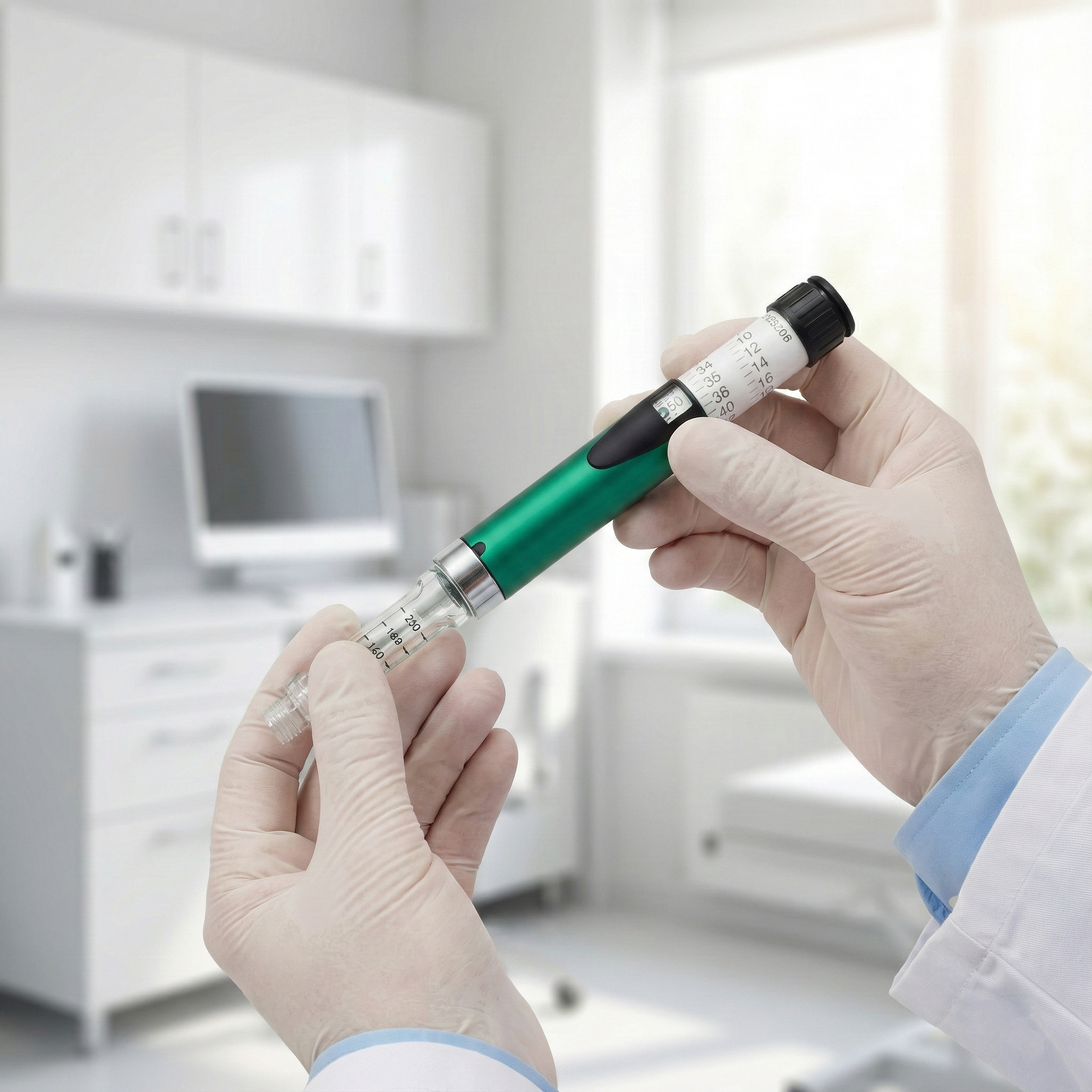
Missing insulin doses can lead to blood sugar spikes, which, if left unmanaged, can result in long-term health complications such as nerve damage, kidney problems, and cardiovascular issues. When doses are skipped, your body is deprived of the insulin it needs to regulate blood sugar effectively, which leads to poor control. To prevent this, it’s essential to set up daily reminders to ensure you take your insulin at the correct times. Consistency is key in diabetes management, as a regular and predictable insulin schedule helps maintain stable blood sugar levels and reduces the risk of complications.
Incorrect timing of insulin injections can cause imbalances in blood glucose, particularly when not aligned with meal times or physical activity. Insulin works most effectively when administered at the right time, especially in response to meals or exercise. Failure to time insulin doses correctly can lead to fluctuations in blood sugar levels, causing both high and low blood sugar episodes. To avoid this, it is important to work with your healthcare provider to establish a consistent insulin schedule that aligns with your meals and activity. Adjusting your insulin regimen based on these factors helps to ensure more effective blood sugar control.
Understanding the different types of insulin and how they function is crucial for managing blood sugar effectively. There are various types of insulin—such as long-acting, short-acting, and rapid-acting—each designed to meet different needs throughout the day. Using the wrong type of insulin or misunderstanding the timing for each type can result in blood sugar imbalances, making it harder to maintain control. It’s important to understand which insulin type you are using and how to use it correctly. Consulting with a healthcare provider and ensuring that you are following the right regimen for your specific condition can greatly improve your blood sugar management.
Regular monitoring of blood sugar levels is a critical part of diabetes management, as it helps in adjusting insulin doses to maintain optimal control. By tracking blood sugar levels consistently, you can identify when adjustments need to be made to your insulin regimen, preventing both high and low blood sugar episodes. Without regular monitoring, it becomes difficult to manage fluctuations in blood glucose, which can lead to complications over time. To maintain better control, it is essential to use a blood glucose meter or a continuous glucose monitoring (CGM) system. These tools provide real-time data, helping you make informed decisions about insulin doses and overall diabetes management.
Keeping track of insulin doses is vital for managing diabetes effectively. By not recording insulin doses, it becomes easy to lose track of whether you're consistently administering the correct amount of insulin. This oversight can result in under- or overdosing, both of which can affect blood sugar control. Regularly recording insulin doses helps you stay on top of your diabetes management and ensures that you are following the prescribed treatment plan. Whether using a simple journal or a dedicated app, tracking doses provides clarity and consistency, improving your ability to maintain stable blood sugar levels.
Physical activity has a significant impact on insulin sensitivity, meaning that exercise can affect the amount of insulin your body needs. Failing to adjust insulin levels based on activity can lead to blood sugar fluctuations, potentially resulting in low or high blood sugar. After physical activity, your body may become more sensitive to insulin, requiring a lower dose to prevent hypoglycemia. It’s essential to monitor your activity levels and adjust your insulin doses accordingly. Consulting with a healthcare provider can help you understand how exercise influences your insulin needs, allowing for better overall control of your blood glucose levels.
Injecting insulin is a vital part of managing diabetes, but common mistakes can interfere with effective blood sugar control. Not rotating injection sites, using incorrect needle sizes, and improper priming are just a few frequent errors. Additionally, mistakes in insulin storage, missed doses, and failure to monitor insulin use regularly can significantly affect blood glucose management. By avoiding these mistakes and using the right tools, such as a reusable injection pen, you can greatly improve your insulin delivery and overall diabetes care. Hangzhou Sunrise Medical Co., Ltd. offers advanced reusable injection pens designed for accuracy, ease of use, and long-term health benefits. These pens help ensure consistent insulin delivery and support better management of diabetes. Regular consultation with healthcare providers is essential to optimize insulin therapy and achieve better health outcomes.
A: Common mistakes include not rotating injection sites, using the wrong needle size, and failing to prime the pen correctly. These errors can affect insulin absorption and blood sugar control.
A: A reusable injection pen helps by offering precise dosing, tracking injection sites, and ensuring proper priming, reducing common errors in insulin delivery.
A: To avoid injecting too quickly, use a reusable injection pen with an ergonomic design. Inject slowly and steadily to improve absorption and reduce discomfort.
A: Always check the expiration date of your insulin. A reusable injection pen allows you to replace the insulin cartridge, ensuring fresh insulin for effective treatment.


