


Views: 0 Author: Site Editor Publish Time: 2026-03-27 Origin: Site


Diabetes management is crucial for maintaining a patient’s health and preventing complications such as heart disease, kidney failure, and nerve damage. Effective diabetes management primarily involves regulating blood sugar levels through lifestyle changes, medication, and regular monitoring. Among the various treatment options, insulin therapy plays a pivotal role for individuals with type 1 or advanced type 2 diabetes, who are unable to produce sufficient insulin naturally. Injection devices, particularly insulin pens, are vital in daily diabetes treatment. These devices provide a convenient, efficient, and precise way to administer insulin, ensuring that patients can manage their condition effectively. By offering controlled doses, they reduce the risk of both under- and overdosing, making them an essential tool in a diabetes patient's everyday care routine.
An insulin pen is a medical device used to inject insulin into the body for the treatment of diabetes. It is designed to be user-friendly and portable, providing a precise and convenient way for patients to manage their insulin doses. The insulin pen is typically composed of a cartridge containing insulin, a dosing dial to select the required amount, and a needle for injection. Unlike traditional syringes, insulin pens offer a more streamlined and efficient method of insulin delivery, making it easier for patients to maintain their treatment regimen.
The insulin pen operates through a simple mechanism. The user selects the desired dose by turning a dial on the pen, which adjusts the insulin dosage in small increments. Once the dose is set, the needle is inserted into the skin, and a button on the pen is pressed to release the insulin. The pen’s design ensures that each injection delivers a precise amount of insulin, reducing the likelihood of dosing errors. After use, the needle is removed, and the pen can be stored until the next injection.
Insulin pens are designed for individuals with diabetes, especially those who need to administer insulin regularly. The primary target audience includes:
· Type 1 Diabetes Patients: Those who have little to no insulin production and need daily insulin injections.
· Type 2 Diabetes Patients: Individuals with type 2 diabetes who require insulin therapy when oral medications are no longer effective.
· Elderly Patients: Older individuals who may struggle with the complexity of traditional syringes benefit from the simplicity and ease of insulin pens.
· People with Active Lifestyles: Those who are often on the go, as insulin pens are portable, discreet, and easy to use in various settings.
The market for insulin pens is expanding as diabetes becomes more prevalent globally, and patients demand more convenient, effective, and reliable ways to manage their condition. This device meets the growing need for simpler insulin administration, offering a more accessible option for people seeking to improve their quality of life while managing diabetes.
A traditional syringe consists of a cylindrical barrel, a plunger, and a needle. To use the syringe, the user first draws the needle into the vial containing insulin or other medication. By pulling the plunger, the desired amount of medication is drawn into the barrel. The needle is then inserted into the skin, and the plunger is pressed to inject the medication into the body. After the injection, the needle is safely disposed of, and the syringe is discarded or sterilized for reuse if it is a non-disposable type. The process requires manual control over the dose, and users must carefully draw and administer the correct amount of medication, which can be prone to errors if not done correctly.
Traditional syringes have been used for centuries, with the first syringe invented in the early 17th century. These syringes were initially made of glass, and over time, they evolved into modern plastic versions, which are more cost-effective and disposable. In the context of diabetes management, the traditional syringe was the primary tool for insulin administration until the development of insulin pens in the 1980s. While insulin pens have become more popular due to their convenience, traditional syringes are still widely used, particularly in low-resource settings or for patients who may not have access to advanced technologies.
· Low Cost: Traditional syringes are inexpensive and easy to find. They are a cost-effective option for insulin administration, especially in areas with limited healthcare resources.
· Widely Available: Syringes are commonly available at pharmacies and can be purchased without a prescription in many regions.
· Flexibility in Dosing: Users can draw precise amounts of insulin or medication from vials, allowing for flexibility in adjusting doses based on individual needs.
· Manual Dose Drawing: Traditional syringes require users to manually draw the correct amount of medication, which can be challenging for some patients and prone to errors.
· Discomfort: The larger, thicker needles used in traditional syringes may cause more discomfort during injections compared to insulin pens, especially for people who require frequent injections.
· Inconvenience: Syringes are bulkier and less discreet than insulin pens, making them less portable. Additionally, patients need to carry separate vials of insulin, which can be cumbersome.
· Risk of Contamination: If syringes are reused (in non-disposable cases), there's a risk of contamination and infection, making proper sterilization necessary.
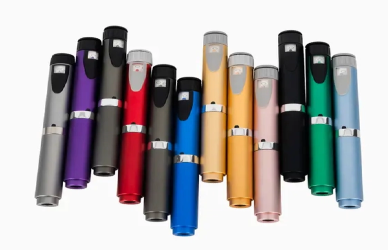
· Insulin Pen: Compact, easy to carry, and provides pre-set doses, reducing dosing errors. Ideal for frequent injections in various settings.
· Traditional Syringe: Requires manual dose drawing, which can be cumbersome and prone to errors. Less portable as both syringes and vials need to be carried.
· Insulin Pen: Provides precise dosing, minimizing waste and ensuring consistent, accurate injections.
· Traditional Syringe: Manual dosing increases the risk of errors, such as incorrect measurements or air bubbles.
· Insulin Pen: Ergonomically designed with smaller needles, making it more comfortable for long-term use.
· Traditional Syringe: Larger, thicker needles may cause more pain and discomfort with repeated use.
· Insulin Pen: Higher initial cost but more economical over time due to reduced waste and fewer supplies needed.
· Traditional Syringe: Inexpensive upfront but incurs higher recurring costs for insulin vials, needles, and potential waste.
For individuals with an active lifestyle, an insulin pen is more convenient due to its portability, ease of use, and discretion. It’s ideal for those who travel often or need to inject in public settings. On the other hand, if the patient has a more sedentary lifestyle or prefers a simpler, less expensive solution, a traditional syringe may be a better fit.
If the patient requires frequent or precise dosing, an insulin pen offers more accurate and consistent injections, making it ideal for long-term diabetes management. If occasional or less precise injections are needed, a traditional syringe might be sufficient. Also, consider comfort, as insulin pens are ergonomically designed for easier use, which may be essential for those injecting multiple times daily.
While insulin pens come with a higher initial cost, they are often more economical over time due to their ability to minimize waste and require fewer supplies. Traditional syringes are inexpensive initially, but the recurring costs for insulin vials, needles, and the potential for waste may add up over time. It's essential to weigh both the upfront and long-term expenses before deciding.
Insulin pens are more convenient, accurate, and comfortable for long-term use, while traditional syringes require manual dose drawing and are more cumbersome.
Insulin pens are ideal for diabetes patients who require frequent insulin injections, as they are easy to carry and offer precise dose control.
Pros: Inexpensive and simple for short-term use.
Cons: Requires manual dose drawing, more prone to mistakes, and higher long-term costs.
Consider the patient's lifestyle, frequency of use, treatment requirements, and budget. Insulin pens are better for long-term, precise diabetes management.
Both the insulin pen and traditional syringe offer unique advantages and drawbacks. The insulin pen is convenient, accurate, and comfortable, making it ideal for those who require frequent insulin injections. Its portability, pre-set doses, and ergonomic design make it a preferred choice for patients with active lifestyles or those seeking a more precise and efficient solution. However, the insulin pen comes with a higher initial cost, though it is often more economical in the long run. On the other hand, the traditional syringe is low-cost and widely available, offering flexibility in dosing, but it is less convenient and more prone to user error. It also tends to be less comfortable, especially with frequent use, and incurs higher recurring costs for supplies. Ultimately, the insulin pen stands out as a modern solution for diabetes management, providing patients with a more convenient, accurate, and comfortable way to manage their condition while minimizing errors and improving quality of life.


