


Views: 0 Author: Site Editor Publish Time: 2026-01-26 Origin: Site


In today’s world, sustainability is more than just a trend; it's a necessary step toward preserving our planet for future generations. This is especially true in the pharmaceutical industry, where drug delivery systems contribute significantly to plastic waste and environmental degradation. Hangzhou Sunrise Medical, a leading provider of high-quality reusable injection pens, is at the forefront of promoting eco-friendly healthcare solutions. In this article, we will explore the environmental impact of disposable injection pens versus reusable injection pens, focusing on the benefits of adopting reusable systems for both healthcare providers and patients. The shift to reusable injection pens not only addresses environmental concerns but also offers significant benefits in terms of cost-effectiveness and patient adherence.
Healthcare’s environmental footprint is a growing concern as the industry continues to expand. Medical devices, particularly those used for drug delivery, contribute to this footprint, primarily due to the widespread use of disposable systems. Every year, millions of disposable injection pens are used worldwide, generating tons of plastic waste that ultimately ends up in landfills. Additionally, the manufacturing process of disposable pens often involves energy-intensive procedures, further exacerbating the environmental impact.
Drug delivery devices, including injection pens, play a vital role in managing chronic conditions, such as diabetes, where consistent medication administration is required. However, the long-term use of disposable devices results in substantial waste accumulation. As pharmaceutical companies and patients alike seek more sustainable alternatives, reusable injection pens have emerged as a promising solution that reduces waste and carbon emissions, making them a crucial step toward a greener future for the healthcare industry.
The environmental toll of disposable injection pens is significant. These pens are typically made of plastic materials, which are non-biodegradable and require hundreds of years to break down in landfills. According to a study by the University of Exeter, disposable pens contribute tons of plastic waste annually, further stressing our already overwhelmed waste management systems.
In addition to plastic waste, disposable pens generate a considerable amount of carbon dioxide (CO₂) during their production and disposal. The entire lifecycle of a disposable pen, from manufacturing to transportation and eventual disposal, contributes to greenhouse gas emissions. This environmental impact, while often overlooked in the context of patient care, adds to the global burden of climate change.
The lifecycle of a disposable injection pen involves repeated manufacturing, packaging, and shipping, all of which consume energy and resources. Once the pen is used, it is discarded, contributing to the growing environmental burden. The materials used in disposable pens, such as plastic and metal, require significant energy to produce, and the processes involved in manufacturing are often harmful to the environment.
By contrast, reusable injection pens reduce this burden significantly. These pens are designed for long-term use, with replaceable cartridges and other reusable components that limit the need for constant manufacturing of new devices. As a result, reusable injection pens reduce the overall consumption of raw materials and the associated energy usage, making them a more sustainable choice for long-term therapy.
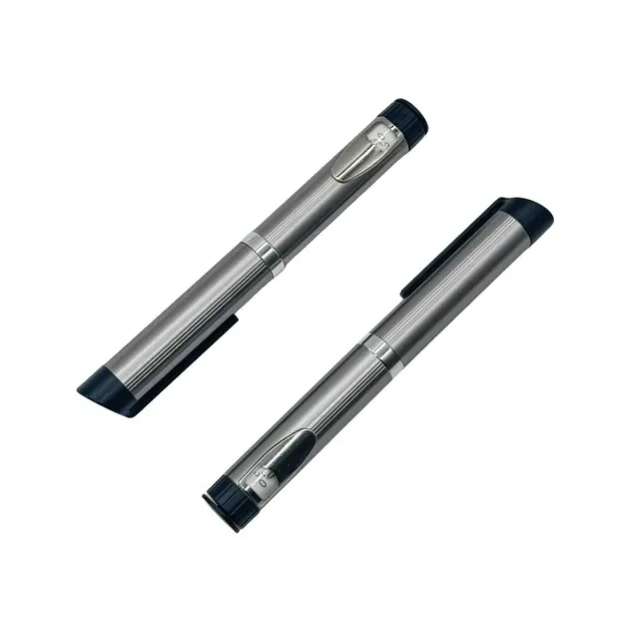
One of the most significant advantages of switching to reusable injection pens is the reduction in waste output. Since these pens are designed for multiple uses, they help mitigate the massive amounts of plastic waste generated by disposable pens. Each reusable pen can last for several years, with only the medication cartridges needing to be replaced regularly. This approach drastically reduces the environmental impact associated with the disposal of single-use devices.
For pharmaceutical companies, the adoption of reusable injection pens offers a chance to meet sustainability goals while maintaining high standards of patient care. By offering an eco-friendly alternative to disposable pens, companies can appeal to environmentally-conscious consumers and healthcare providers, contributing to a greener and more sustainable healthcare ecosystem.
In addition to reducing waste, reusable injection pens help lower the carbon footprint of drug delivery systems. Over the long term, the environmental impact of using a reusable pen is far lower than that of disposable pens, which must be produced and shipped in large quantities. The repeated manufacturing of disposable pens contributes to CO₂ emissions, further exacerbating the environmental impact of the healthcare industry.
Hangzhou Sunrise Medical’s reusable injection pens are designed to last for several years, with precise dose adjustment mechanisms and durable construction that ensures consistent performance throughout their lifespan. This long-term use of a single device not only reduces waste but also significantly reduces the carbon emissions associated with producing new devices year after year.
To better understand the environmental advantages of switching from disposable to reusable injection pens, let’s take a closer look at the comparative impact on waste, carbon emissions, and resource use.
Impact Category | Disposable Pens | Reusable Pens |
Waste per year | High (tons+) | Significantly reduced |
CO₂ emissions | Higher | Lower |
Resource use | Repeated manufacturing | Fewer full devices |
As seen in the table, reusable injection pens significantly reduce both waste and carbon emissions compared to their disposable counterparts. Additionally, the resource use is reduced, as fewer new devices need to be produced. The long-term adoption of reusable pens leads to a substantial decrease in environmental harm, making them an attractive option for patients and pharmaceutical companies seeking to reduce their ecological impact.
In today’s competitive market, sustainability is not just a trend; it’s a key differentiator. Pharmaceutical companies that prioritize eco-friendly practices not only contribute to the environment but also enhance their brand image and attract consumers who value sustainability. Hangzhou Sunrise Medical encourages pharmaceutical brands to adopt reusable injection pens as part of their overall sustainability strategy. Here are some ways that companies can further support their sustainability goals:
Pharmaceutical brands can take advantage of the growing demand for sustainable products by incorporating eco-friendly messaging into their marketing materials. Highlighting the environmental benefits of reusable injection pens in product descriptions and advertising campaigns can resonate with consumers who prioritize sustainability. Additionally, using sustainable packaging for these pens—such as recyclable materials—can further reduce the environmental impact.
Pharmaceutical companies can partner with recycling programs to encourage patients to recycle used cartridges and packaging. By offering incentives for patients to return empty cartridges for proper disposal or recycling, companies can help reduce the amount of plastic waste that ends up in landfills. Hangzhou Sunrise Medical is committed to supporting brands in their efforts to minimize their environmental footprint through such collaborative initiatives.
Switching to reusable injection pens is a crucial step in reducing the environmental impact of drug delivery systems. By opting for these eco-friendly devices, pharmaceutical companies can contribute to global sustainability efforts while maintaining high-quality standards for patient care. The environmental benefits of reusable injection pens—such as reduced waste output, lower carbon emissions, and fewer resources used—are clear. As the world moves toward more sustainable healthcare practices, Hangzhou Sunrise Medical is proud to offer innovative, high-quality reusable injection pens that help pave the way for a greener future.
For more information on how reusable injection pens can benefit your brand and contribute to a sustainable future, contact us today to explore our range of customizable solutions.
1. How do reusable injection pens reduce waste?
Reusable injection pens are designed for multiple uses, significantly reducing the amount of plastic waste generated compared to disposable pens.
2. What environmental benefits do reusable injection pens offer?
Reusable injection pens help reduce carbon emissions, plastic waste, and overall resource consumption, making them an eco-friendly choice for pharmaceutical companies and patients.
3. Are reusable injection pens as accurate as disposable pens?
Yes, Hangzhou Sunrise Medical’s reusable injection pens are designed with high precision, ensuring that each dose is administered accurately, just like disposable pens.
4. Can reusable injection pens help pharmaceutical brands achieve sustainability goals?
By adopting reusable injection pens, pharmaceutical brands can meet their sustainability goals, reduce their environmental footprint, and appeal to eco-conscious consumers and healthcare providers.


