


Views: 0 Author: Site Editor Publish Time: 2026-03-27 Origin: Site


Auto injector devices are advanced medical tools designed to deliver a precise dose of medication automatically with minimal user intervention. These devices are commonly used for self-administration of injectable drugs, offering patients a simple, convenient, and efficient way to manage their treatment. Autoinjectors are especially important in the management of chronic conditions like diabetes, rheumatoid arthritis, and multiple sclerosis, where patients require regular injections. By providing consistent dosing and reducing human error, autoinjectors improve medication adherence and quality of life for patients who need ongoing treatment, making them an essential part of modern healthcare for chronic disease management.
An autoinjector is a medical device designed to automatically inject a pre-measured dose of medication into a patient's body with minimal user effort. These devices are primarily used for self-administration of injectable drugs, making it easier for patients to manage their conditions without the need for healthcare professionals. Autoinjectors are commonly used for chronic conditions like diabetes, arthritis, and allergies, where regular medication injections are necessary.
Autoinjectors work by automatically delivering a set dose of medication when activated. The patient simply places the device against their skin and presses a button or triggers the device in another way. Once activated, the device pushes a needle into the skin, releases the medication, and then retracts the needle once the injection is complete. The entire process typically takes only a few seconds and is designed to be as simple and comfortable as possible.
Needle: The needle is a sharp, sterile component used to pierce the skin and administer the medication into the subcutaneous tissue. It is often designed to be thin and short to reduce discomfort during the injection.
Syringe: The syringe is a small container that holds the medication. In most autoinjectors, the syringe is pre-filled with a specific dose of medication, which eliminates the need for manual preparation. The syringe is typically made of plastic and is designed to fit securely within the autoinjector device.
Injection Mechanism: The injection mechanism consists of a spring or compressed air that powers the delivery of the medication. When the device is activated, the mechanism pushes the needle into the skin and forces the medication from the syringe into the body. This process is usually triggered by pressing a button or applying pressure to the device, making it easy for the user to administer the medication with little training.
Pre-filled autoinjectors are devices that come with a pre-loaded syringe containing the medication, ready for immediate use. These devices are simple to operate, making them an excellent choice for patients who need regular injections. Commonly used for conditions like diabetes, rheumatoid arthritis, and allergies, pre-filled autoinjectors ensure accurate dosing and ease of use. The pre-filled design eliminates the need for patients to manually fill syringes, reducing the risk of dosing errors and increasing patient adherence to treatment regimens.
Customizable autoinjectors offer flexibility in dosing, allowing users to adjust the dosage based on their specific treatment requirements. These devices are often used for biologic treatments, such as monoclonal antibodies or other biologic therapies that require variable doses. Customizable autoinjectors can be programmed or manually adjusted to deliver the required medication volume, ensuring a tailored approach to treatment. These devices are beneficial for patients who need to fine-tune their medication intake or for conditions where the dosage may change over time.
· Disposable Autoinjectors: These are single-use devices that are designed to be discarded after each injection. They are convenient for patients who need a quick, no-fuss solution without worrying about maintenance or refilling. Disposable autoinjectors are often more affordable upfront but can be less environmentally friendly due to the need for frequent disposal.
· Reusable Autoinjectors: Reusable autoinjectors are designed to be used multiple times. These devices can be refilled with pre-filled medication cartridges or syringes, making them more cost-effective for long-term use. Reusable autoinjectors are ideal for patients who need consistent, ongoing treatment and want to reduce waste. However, they may require additional maintenance and care to ensure proper functioning.
Wearable autoinjectors are advanced devices designed to be worn on the body for long-term medication delivery. These devices are particularly useful for chronic conditions that require continuous or frequent injections, such as diabetes or hormone therapies. Wearable autoinjectors can administer medication over extended periods (from several hours to days) and are discreet, allowing patients to go about their daily activities without needing to manually inject themselves. These devices are equipped with sensors and automated functions, ensuring the medication is delivered accurately and on time.
Autoinjectors offer unparalleled convenience for patients who need to self-administer medication. These devices are typically compact, portable, and simple to use, requiring minimal training. With a few straightforward steps, patients can administer their injections quickly and easily, often without the need for assistance. This ease of use is particularly beneficial for those who need to inject frequently, such as diabetes or allergy patients, as it allows for greater independence and flexibility in managing their treatment.
One of the most significant benefits of autoinjectors is their ability to deliver consistent and precise doses. Unlike manual syringes, which are prone to human error in terms of measuring and drawing medication, autoinjectors are pre-programmed or designed to administer a specific dose every time. This consistency ensures that patients receive the correct amount of medication, reducing the risk of under- or overdosing. The precision provided by autoinjectors helps to improve the effectiveness of the treatment while minimizing potential side effects caused by incorrect dosing.
Because autoinjectors are easy to use and reduce the burden of medication administration, they significantly increase patient adherence to their prescribed treatment regimens. Patients are more likely to follow through with their treatments when the process is streamlined, less invasive, and more convenient. The confidence in delivering the right dose at the right time also reduces the likelihood of missed doses or skipped treatments, leading to better overall health outcomes. With fewer barriers to proper medication administration, autoinjectors support long-term treatment adherence and improve the patient’s quality of life.
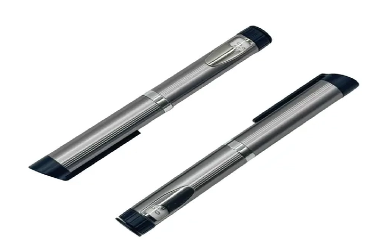
While autoinjectors offer numerous benefits, their initial cost is typically higher than that of traditional syringes. The advanced technology and pre-filled design make autoinjectors more expensive to manufacture, which can translate to higher prices for patients. In addition to the device itself, the need for refills or pre-loaded medication cartridges can further increase ongoing costs. For some patients, especially those without sufficient insurance coverage, the cost of autoinjectors may be a barrier to access. In contrast, traditional syringes are much less expensive and widely available, making them a more affordable option in the short term, though they come with the potential for higher long-term costs in terms of medication waste and human error.
Although autoinjectors are designed for user comfort, some patients may still experience mild discomfort or injection site reactions, such as redness, swelling, or pain. These side effects can be a result of the needle used, the medication itself, or the injection process. Repeated use of autoinjectors at the same injection site can also lead to irritation or bruising. While the smaller needles and ergonomic design of many autoinjectors help reduce pain, they may not eliminate it entirely, particularly for those who require frequent injections. Patients must be educated on proper injection techniques and rotating injection sites to minimize discomfort and prevent long-term damage.
Autoinjectors, like all medical devices, must undergo rigorous regulatory processes before they can be approved for use. These devices are subject to approval by regulatory bodies such as the FDA (U.S. Food and Drug Administration) or the European Medicines Agency (EMA), which evaluate their safety, efficacy, and quality. The approval process can be time-consuming and costly, delaying the availability of new autoinjectors on the market. Additionally, some autoinjectors may require further clinical testing and post-market surveillance to ensure their safety and effectiveness. This can be a barrier for manufacturers, especially smaller companies, and may result in limited device availability or increased costs for consumers.
Pre-filled autoinjectors come with a fixed dose, while customizable ones allow for personalized dosing.
Yes, wearable autoinjectors are designed for long-term, continuous medication delivery, especially for chronic conditions.
Yes, autoinjectors provide precise dosing, reducing the risk of human error during drug administration.
Reusable autoinjectors can be refilled and used multiple times, whereas disposable ones are for single-use only.
Auto injectors come in various types, each designed to meet the diverse needs of patients. Pre-filled autoinjectors are convenient and easy to use, providing precise dosing for conditions like diabetes and rheumatoid arthritis. Customizable autoinjectors offer flexibility in dosing, ideal for biologic treatments that require adjustable medication amounts. Disposable and reusable autoinjectors cater to different preferences, with disposable ones offering convenience and reusables providing long-term cost savings. Wearable autoinjectors are designed for continuous medication delivery, perfect for long-term treatment needs. While each type of autoinjector has its advantages, choosing the right device is crucial for optimizing patient care. Factors such as lifestyle, treatment frequency, ease of use, and cost must all be considered to ensure the patient receives the most suitable option for their health and convenience. Selecting the appropriate autoinjector can improve medication adherence, enhance comfort, and ultimately lead to better health outcomes.


